In the modern landscape of high-mix, low-volume (HMLV) production, traditional, sprawling conveyor lines are no longer the gold standard for every factory. Across sectors like biopharmaceuticals, premium cosmetics, specialty chemicals, and advanced electronics, manufacturers are facing a shift toward agility. The challenge? Scaling up output, eliminating human error, and maintaining flawless packaging precision—all while operating within limited floor space or pilot lab environments.
For a long time, businesses were forced to choose between erratic manual labor or multimillion-dollar, multi-meter-long assembly systems. Today, precision desktop automation has bridged that gap. Leading innovative packaging innovators like Skyone are engineering medical- and industrial-grade benchtop machines that deliver the same repeat accuracy as their full-scale counterparts.
If you are looking to audit your existing packaging line or transition from manual bottlenecks to repeatable, data-driven efficiency, here is an in-depth breakdown of how strategic desktop integration redefines production.
1. Cylindrical Precision
When handling small-diameter containers—such as pharmaceutical vials, cosmetic ampoules, or essential oil bottles—even a 0.5mm misalignment of a label ruins the consumer's perception of product quality. Worse, in regulated industries, skewed labels can obscure critical dosage data or ingredient tracking codes. Manual positioning cannot achieve the strict tolerances required for premium products.
The solution lies in deploying a highly synchronized, sensored system. Incorporating an intelligent desktop labeling machine into the workflow solves this variable. These advanced benchtop systems leverage fiber-optic sensors and stepper or servo motor drives to dynamically detect the container’s edge, eliminating air bubbles, wrinkles, and skewing.
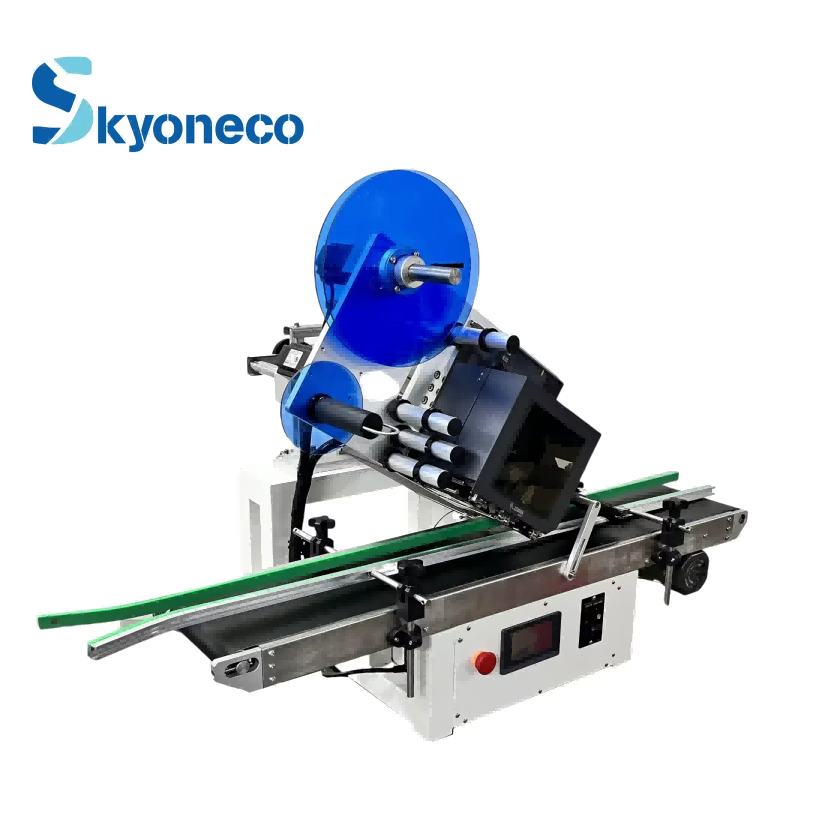
By shrinking the physical footprint while maintaining an intelligent control interface (often equipped with PLC touchscreen modules), small-scale facilities and laboratory lines can achieve a level of visual consistency that mimics heavy industrial outputs, ensuring regulatory compliance and shelf-ready perfection.
2. Flat-Surface Speed
For products with rectangular geometries—such as electronics boxes, component pouches, flat cosmetics compacts, or medical test kits—the metric of success shifts heavily toward flat-surface throughput. On a manual line, backing, peeling, and hand-pressing flat labels is notoriously slow, frequently creating a massive backlog right before the final cartoning and shipping stages.
To eliminate this operational friction, a high-speed desktop automatic flat labeling machine becomes an indispensable asset on the factory floor. Unlike cumbersome inline setups, these high-speed benchtop units feature integrated micro-conveyors and precise top-pressing mechanisms that stabilize the product as the label is applied.
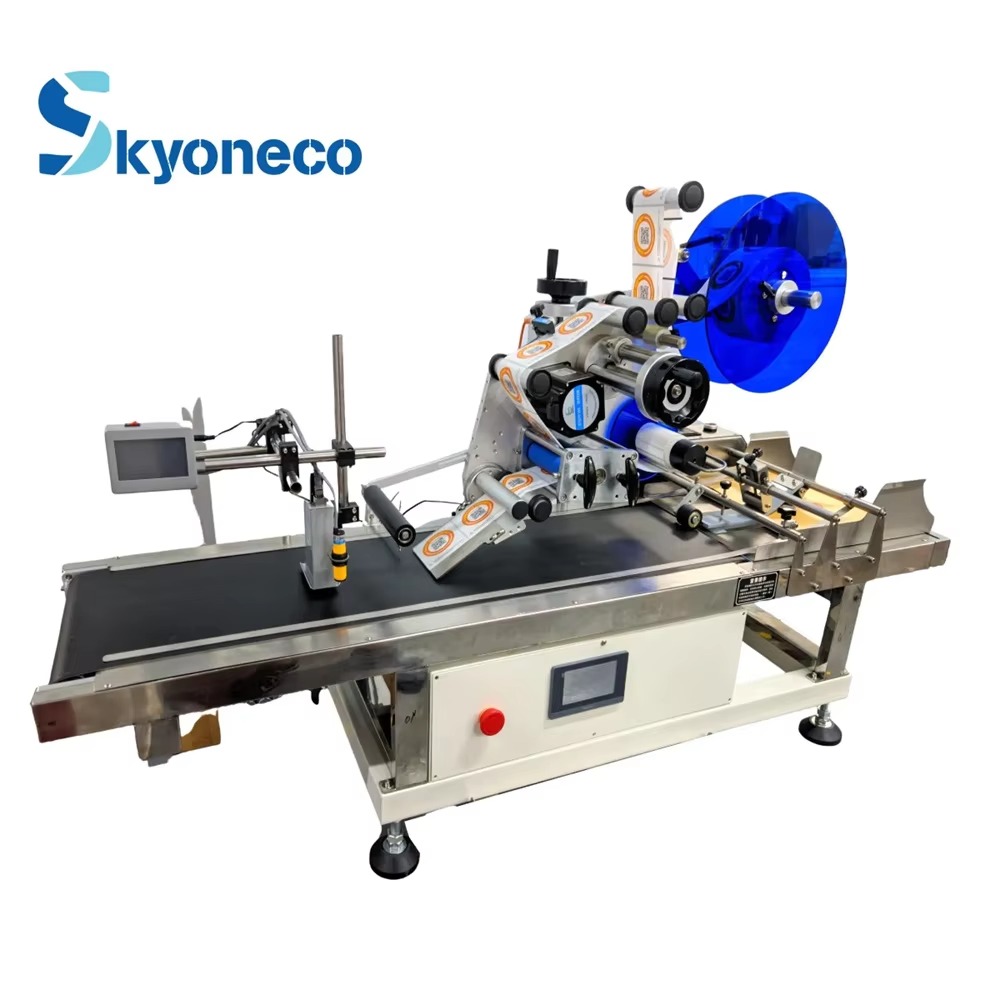
With the capacity to process dozens of cycles per minute, they ensure that fast-moving orders are fulfilled seamlessly. More importantly for agile enterprises, these machines offer rapid changeover times; mechanical guides and digital parameter configurations can be re-adjusted in minutes, allowing operators to switch between different product SKUs without prolonged downtime.
3. Hermetic Sealing
Packaging integrity is fundamentally about containment and preservation. For premium liquids, organic oils, and sensitive syrups housed in glass vessels, the capping phase presents a high structural risk. Glass is unforgiving; insufficient sealing torque causes leakage, contamination, and shortened shelf-life, while excessive or uncontrolled mechanical force can crack the neck finish or strip the metal closure threads.
Automating this delicate mechanical balance requires specialized rotary handling. Utilizing an automatic aluminum cap capping machine for glass introduces precise mechanical torque control to the capping phase.
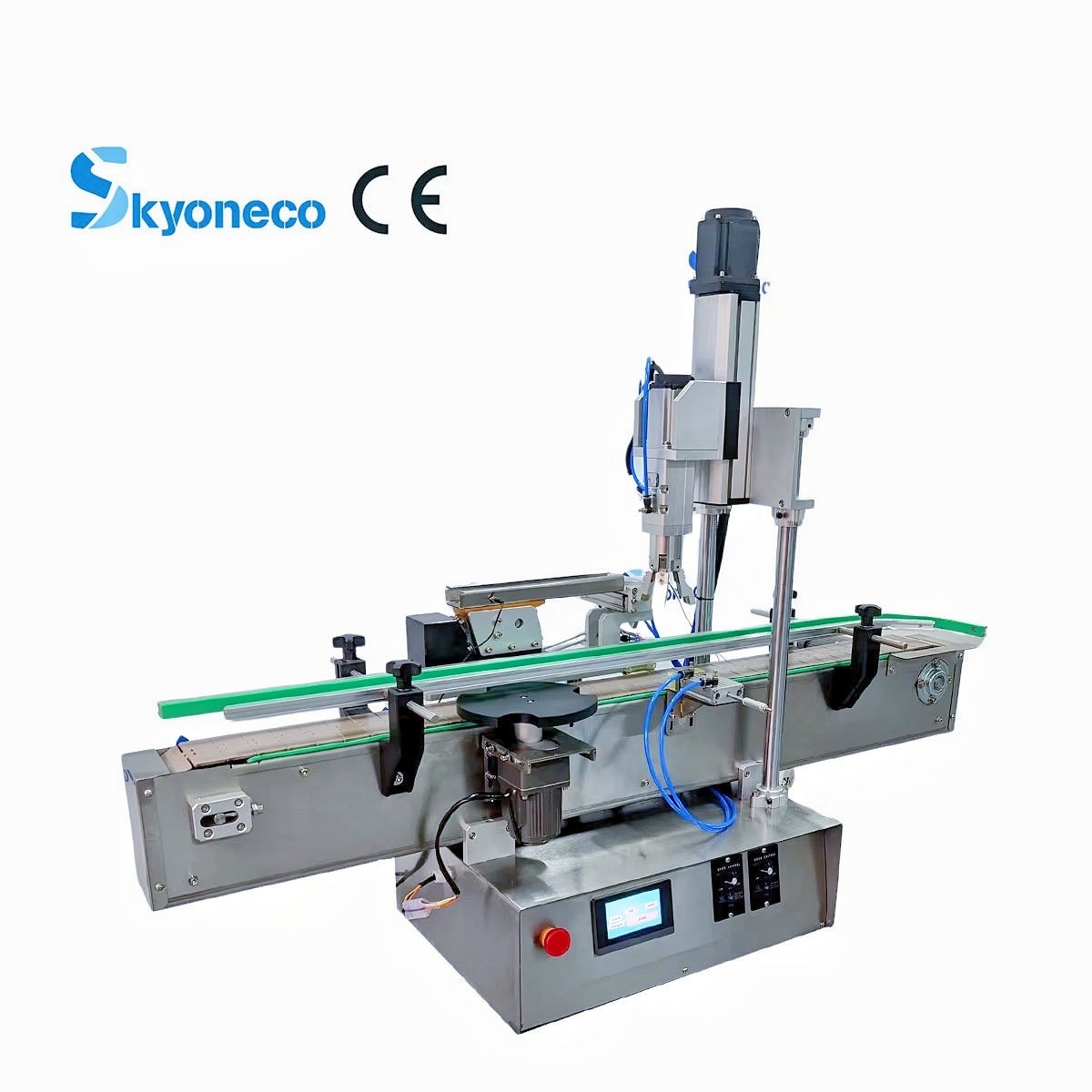
Whether securing roll-on pilfer-proof (ROPP) caps, vial seals, or heavy-duty aluminum screw caps, these systems apply standardized downward and rotational pressure. This eliminates the repetitive strain injuries (RSIs) associated with manual capping, drastically reduces product reject rates from cracked glass, and ensures a consistent, airtight seal that satisfies stringent quality control audits.
Strategic Implementation
One of the greatest engineering advantages of modern desktop machinery is its modularity. They do not require permanent building modifications, dedicated 3-phase high-voltage power overhauls, or extensive pneumatic infrastructure.
-
Standalone Workstations: Perfect for clinical trials, startup batches, or limited-run seasonal product lines.
-
Modular Assembly: Because of their compact engineering, multiple benchtop units can be chained together or nested alongside existing semi-automated equipment to create a highly flexible, custom inline flow.
-
Rapid ROI: By slashing labor dependencies, mitigating material waste from misapplied labels, and wiping out batch contamination risks, a targeted desktop upgrade frequently pays for itself within just a few quarters of consistent operation.
The Skyone Advantage
Scaling your production limits should never mean compromising on precision, speed, or structural packaging safety. The future of manufacturing belongs to the agile, the efficient, and the compact.
If your facility is ready to step away from manual inefficiencies and step up to industrial-grade, space-saving reliability, explore the full catalog of engineered packaging and capping solutions at Skyone by visiting www.skyonecomachine.com. Reach out to their engineering support team today to map out the perfect configurations for your specific container types, dimensions, and output targets.