头部背景图片

Notice on the holiday arrangement for May Day in 2025

2025-05-16

Dear customers:

Hello!

On the occasion of May Day, thank you for your trust and support for our company. According to the national statutory holidays and the actual situation of our company, the holiday time and service arrangements are hereby notified as follows:


Our holiday time:

May 1, 2025 (Thursday) to May 5 (Monday), a total of 5 days.

April 27 (Sunday) and May 10 (Saturday) will be normal work.


Service arrangements:

1. During the holiday, our company will suspend logistics delivery (if you need urgent assistance, please contact the duty phone: 0596-7686689).


Thank you again for your understanding and support! I wish you a happy holiday and a healthy family!


UTS International Co., Ltd.

April 25, 2025

Single yarn strength usage instructions

2025-05-16

1. Product Overview

Single yarn strength refers to the maximum force that a single yarn can withstand when it is stretched and broken, and is one of the important indicators for measuring yarn quality. This product is suitable for testing and evaluating yarn strength in the textile industry.


2. Scope of application

1. Strength test of various types of yarns such as cotton yarn, wool yarn, and chemical fiber yarn

2. Quality control of textile production enterprises

3. Acceptance standards for yarn procurement

4. Material performance research of scientific research institutions


3. Technical parameters

1. Test range: 0-5000cN

2. Accuracy: ±1%

3. Clamping distance: 100mm, 250mm, 500mm (adjustable)

4. Stretching speed: 50-500mm/min (adjustable)

5. Test environment: temperature 20±2℃, relative humidity 65±3%


4. Operation steps


4.1 Preparation

1. Place the instrument on a stable workbench

2. Connect the power supply and preheat for 15 minutes

3. Set the appropriate clamping distance and stretching speed according to the yarn type

4. Prepare the yarn sample to be tested to ensure that it is not damaged and has no knots


4.2 Test process

1. Clamp the yarn sample vertically in the upper and lower clamps

2. Ensure that the yarn is not loose and is perpendicular to the fixture

3. Start the test program

4. The instrument automatically records the breaking strength value

5. Repeat the test at least 20 times to obtain reliable data


4.3 Data processing

1. Calculate the average single yarn strength

2. Calculate the strength unevenness

3. Record the maximum and minimum values

4. Generate a test report


5. Notes

1. The instrument should be calibrated before testing

2. Different types of yarn should use corresponding test parameters

3. Avoid the fixture from clamping the yarn and affecting the test results

4. The temperature and humidity of the test environment should meet the standard requirements

5. Clean the fixture surface regularly to maintain the test accuracy


6. Maintenance

1. Perform a full calibration once a month.

2. Clean the instrument surface after each use.

3. Check the sensor sensitivity regularly.

4. When not in use for a long time, the power should be turned off and covered to prevent dust.

Email: hello@utstesters.com

Direct: + 86 152 6060 5085

Tel: +86-596-7686689

Web: www.utstesters.com

Efficient Paint Removal Line for UBC Aluminum Cans Recycling

2025-05-16

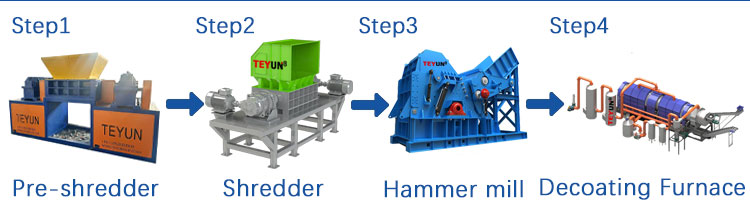
The UBC Aluminum Cans Paint Removing Line is a specialized system designed to strip surface coatings from used beverage cans (UBCs) before smelting, ensuring high-purity aluminum recovery.  


 Process Workflow  

1.Pre-Shredding: Packed UBCs are torn apart and shredded into small pieces (20-50mm) using a hammer mill, increasing surface area for efficient paint removal.  

2.Thermal Decoating: Shredded material enters a continuous decoating furnace, where high temperatures (500-600°C) pyrolyze 99% of paints and coatings without oxidizing the aluminum.  

3.Emission Control: Volatile organic compounds (VOCs) are treated via afterburners and scrubbers, meeting environmental standards.  


 Key Features  

1.High Capacity: Models range from 500kg/h to 1500kg/h (e.g., DT-2000 with 61.3KW power).  

2.Energy Efficiency: Indirect heating preserves aluminum yield (>97%).  

3.Versatility: Also processes e-waste, separating metals from plastics via pyrolysis.  


Key Advantages

1.High Efficiency: Removes 99% coatings with continuous operation (500-1500kg/h capacity).  

2.Energy Saving: Indirect heating reduces oxidation, preserving 97%+ aluminum yield.

3.Eco-Friendly: Integrated VOC treatment (scrubbers/afterburners) meets emission standards.  

4.Cost-Effective: Clean flakes cut smelting costs by reducing slag and flux usage.  

5.Durable Design: Alloy-cast parts and premium burners ensure long-term reliability.  

6.Versatile: Processes both UBCs and e-waste (metal-plastic separation).  


This line combines high efficiency, low operational costs, and eco-friendly design, making it ideal for modern recycling plants.


Introduction of TEYUN Alligator Shear

2025-05-16

Alligator Shear is named after its structural principle similar to that of an alligator. It is widely used in the cold shearing of waste materials such as round steel, square steel, angle steel, I-beam, plate steel, steel pipe, etc., the shearing of hot-rolled small steel, the shearing of rolled steel sections, and the shearing of waste steel bars, small briquettes, steel plates, and heavy waste of metallurgical furnace materials. In terms of working principle, the hydraulic pump provides pressure to drive the hydraulic cylinder to form a lever pressure, and after pre-pressing and locking, the main pressure cylinder acts on the shear pressure of the moving knife and the moving knife to achieve the cutting operation.


Design and Mechanism

Featuring a hinged jaw design, alligator shears utilize hydraulic systems to generate immense cutting force, often exceeding hundreds of tons. The upper blade, typically crafted from high-carbon steel for durability, pivots to shear metal against a fixed lower plate. Built with heavy-duty frames, these shears withstand repetitive stress, ensuring longevity. Safety enhancements like emergency stops and protective guards prioritize operator security during use.


Applications  

Widely used in scrap yards, alligator shears streamline recycling by reducing large metal pieces into compact forms for melting or transport. Construction sites employ them to cut rebar and structural components, while manufacturing plants leverage their precision for material shaping. Their versatility extends to processing diverse shapes—sheets, rods, and bars—enhancing their utility across sectors.


Advantages  

Compared to thermal or mechanical cutting methods, alligator shears offer unmatched efficiency and safety. Hydraulic operation minimizes manual labor, enabling high-volume processing with consistent accuracy. Their adaptability accommodates varying material thicknesses, with models ranging from portable units for on-site tasks to stationary machines for industrial settings. Additionally, they reduce waste by producing clean cuts, optimizing material reuse.


Conclusion

Alligator metal shears represent a fusion of power and precision, vital for modern metal processing. By combining robust construction with user-centric safety features, they address the demands of recycling, construction, and manufacturing industries. As sustainability drives scrap metal recycling, these machines play a pivotal role in promoting eco-friendly practices, underscoring their enduring relevance in industrial applications.

Introduction to Tire Baler Machines Streamlining Tire Recycling and Waste Management

2025-05-16


In an era where environmental sustainability is paramount, managing tire waste efficiently is a critical challenge. Discarded tires, notorious for their bulk and non-biodegradable nature, pose significant storage and disposal issues. Enter the tire baler machine—a robust solution designed to transform tire handling, recycling, and transportation. This article delves into the workings, benefits, and applications of tire balers, underscoring their role in modern waste management.


What is a Tire Baler Machine?

A tire baler machine is a specialized industrial device that compresses large quantities of tires into compact, manageable bales. By significantly reducing the volume of tires, these machines facilitate easier storage, transportation, and recycling, addressing both economic and environmental concerns.


Key Components

1. Hydraulic System : The powerhouse of the baler, utilizing high-pressure cylinders to compress tires.

2. Compression Chamber : A reinforced space where tires are loaded and compacted.

3. Control Panel : Allows operators to manage the baling process, often featuring programmable settings.

4. Safety Features : Emergency stop buttons, safety guards, and interlocks to protect users.

5. Binding Mechanism: Secures compressed tires with wires, straps, or nets to maintain bale shape.


    How Does It Work?

1. Loading : Tires are fed into the compression chamber, either manually or via conveyor systems.

2. Compression : The hydraulic system activates, pressing tires into dense blocks. This can reduce tire volume by up to 80%, turning, for example, 100 loose tires into a 1.5m x 1m bale.

3. Binding: Compressed tires are tightly bound to prevent unraveling.

4. Ejection: The finished bale is discharged for storage or transport.


    Applications

- Recycling Facilities: Prepares tires for processing into rubber mulch, asphalt, or playground surfaces.

- Landfills: Minimizes space occupied by tires, extending landfill lifespan.

- Transportation: Lowers shipping costs by optimizing load efficiency.

- Industrial Plants: Manages waste from automotive or manufacturing sectors.


    Benefits

- Space Efficiency : Drastically reduces storage footprint.

-Cost Savings : Lowers transportation and disposal expenses.

-Environmental Impact  : Supports recycling efforts, reducing reliance on landfills and illegal dumping.

-Safety  : Mitigates hazards from loose tires, such as fire risks or pest habitats.


    Types of Tire Balers

- Horizontal Balers : Ideal for high-volume processing, offering continuous operation.

- Vertical Balers : Compact and cost-effective for smaller facilities.

- Automation Level: Ranges from manual (labor-intensive) to fully automated systems with integrated sorting and feeding.


    Considerations for Adoption

- Capacity Needs: Choose based on tire volume (e.g., passenger tires vs. truck tires).

- Durability: Opt for heavy-duty steel construction to withstand repetitive stress.

- Regulatory Compliance: Ensure adherence to safety (OSHA) and environmental regulations.


    Conclusion

Tire baler machines are indispensable in the quest for sustainable waste management. By converting cumbersome tires into neat bales, they enhance operational efficiency, reduce environmental footprints, and unlock recycling potential. As industries and governments prioritize eco-friendly practices, investing in tire balers represents a forward-thinking step toward a greener future. Whether for a recycling plant or a municipal landfill, these machines offer a practical answer to the global tire waste challenge.

Main structure and working principle of TEYUN horizontal baler

2025-05-16

Structural composition:


Compression chamber: A horizontally placed box used to hold waste paper, which is compressed by pushing the pressure head through a hydraulic cylinder.


Hydraulic system: includes oil pumps, oil cylinders, control valves, etc., providing compression power.


Electrical control system: controls compression, bundling, and package delivery processes (manual/automatic mode).


Bundling device: Automatically or manually bundles compressed waste paper blocks (commonly used iron wire or PET strapping).


Packaging mechanism: Some models are equipped with a pushing device to push out the compressed bales.


Workflow:


Fill the waste paper into the compression chamber manually or with a conveyor belt.


The pressure head is pushed horizontally to compress the waste paper to the set density.


After compression, the bundling device fixes the bales.


The bales are pushed out to complete a cycle. 

Metal Shredder Revolutionizing Scrap Metal Processing

2025-05-16

A metal shredder is a heavy-duty industrial machine that processes and reduces metal waste into smaller pieces. It is essential in the scrap metal recycling industry, breaking down large items like cars, appliances, and machinery into shredded fragments. These fragments are further processed for sorting, separation, and recycling into raw materials for manufacturing.


In operation, the multifunctional shredder reduces material size through shearing, tearing, and squeezing. Its structure typically includes a motor, reducer, rotating blade shaft, H13 blades, spacers, frame, base, box, and work platform. The rotating blade shaft features removable blades and spacers, with the number of blades varying by model and shaft size. The rotary cutting system offers long service life, strong cutting ability, and high production capacity.


The environmental impact of metal shredders is profound. By facilitating efficient metal recycling, these machines significantly reduce the need for virgin ore extraction, conserving natural resources and lowering carbon emissions. Furthermore, the shredded metal output serves as premium feedstock for steel mills and foundries, closing the material loop in industrial production.


From an economic perspective, metal shredders create substantial value by transforming waste into valuable commodities. The processed metal fragments command higher market prices than unprocessed scrap, while the reduced transportation costs associated with compacted materials further enhance profitability.


In short, the metal shredder stands as a cornerstone in modern scrap metal processing, embodying technological innovation and environmental stewardship. and has become an indispensable force in the circular economy.

Technical features of TEYUN briquetting machine

2025-05-16

1. The system is designed with a pre-unloading device to completely eliminate hydraulic shock.

2. Advanced fast devices ensure the production needs of users.

3. The electrical part adopts an imported PLC fully automatic control system with strong anti-interference ability and low failure rate.

4. The body adopts an integral steel structure with high strength and good stability, and no anchor screws are required.

5. This machine adopts hydraulic transmission, highly professional integral valve block, and ultra-large flow diameter, which reduces system pressure loss and eliminates leakage.

6. The use of cartridge valves, electro-hydraulic proportional valves and unique oil circuit design make the hydraulic system perfect. Even if it works under long-term heavy load, the system will not be unable to do its job.

Teyun gantry shear structure introduction

2025-05-16

Gantry Shear is a large industrial shearing equipment, mainly used in the metal processing industry, for efficient and accurate cutting of metal plates, bars, profiles, etc. Its name comes from its structural design - a frame-type rack similar to a "gantry", which has the characteristics of high stability, strong shearing force, and a wide range of applications. The following is a detailed introduction to the gantry shear


Structure and composition

1.Gantry frame: A rigid frame consisting of two side columns and a top crossbeam ensures the stability of the equipment under high load.

2.Hydraulic system: Provides shearing power, drives the blade through a hydraulic cylinder to complete the cutting, and the shearing force can reach hundreds to thousands of tons.

3.Blade: The upper blade is fixed and the lower blade is movable. The material is mostly high-strength alloy steel and can be replaced to adapt to different materials.

4.Feeding system: Some models are equipped with automatic feeding devices (such as conveyor belts or rollers) to improve efficiency.

5.Control system: PLC or CNC system controls the shearing length, speed and pressure, and supports automated operation.

Bending radius the ultimate guide

2025-05-16

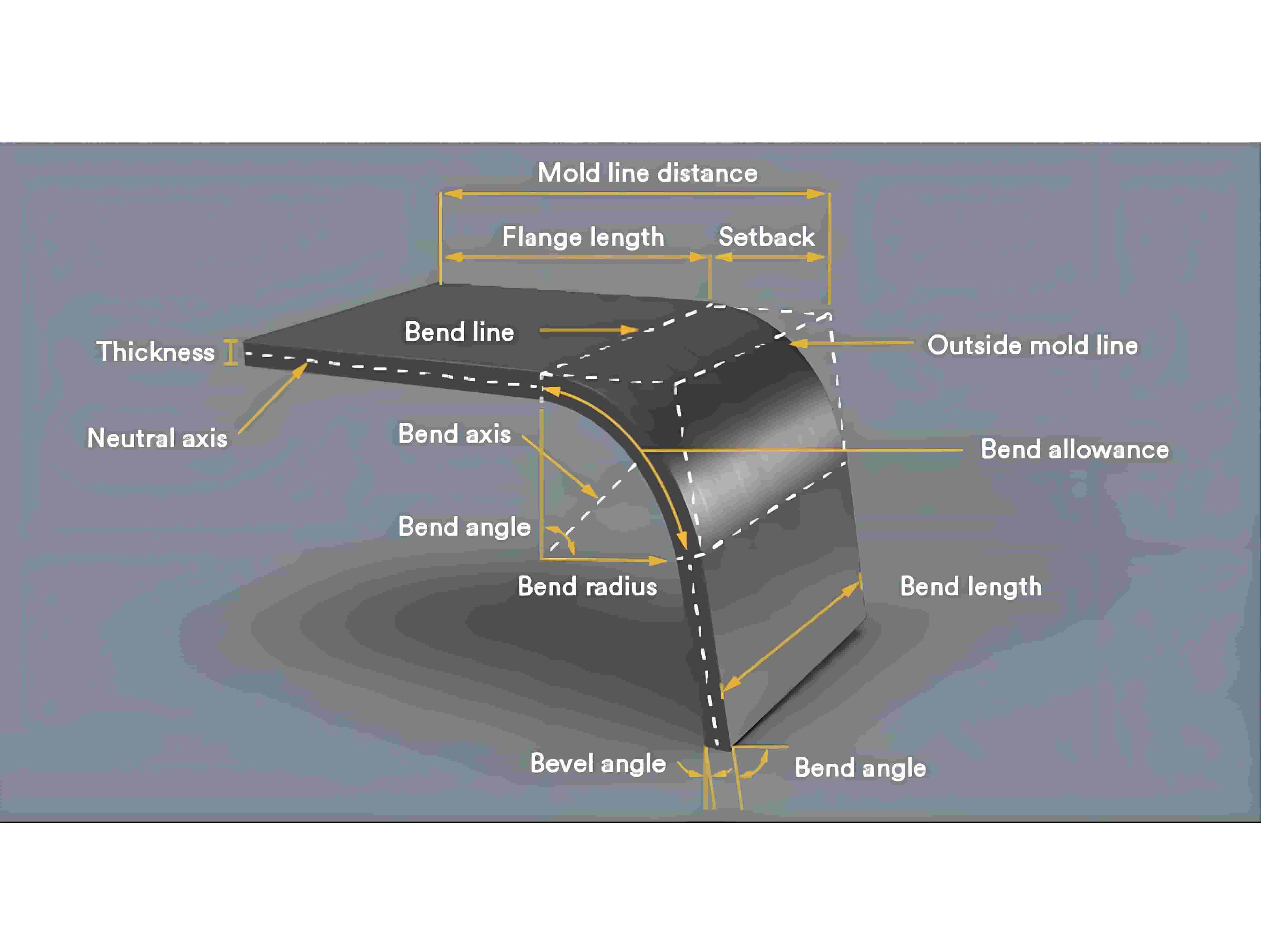
Press brake is one of the most important tools in sheet metal processing. When using a press brake to process sheet metal, the bending radius is a key factor affecting the bending effect. In this article, we will give an overview of the bending radius of sheet metal.
Sheet Metal Bending Press Brake

Ⅰ. What is the bending radius of sheet metal?

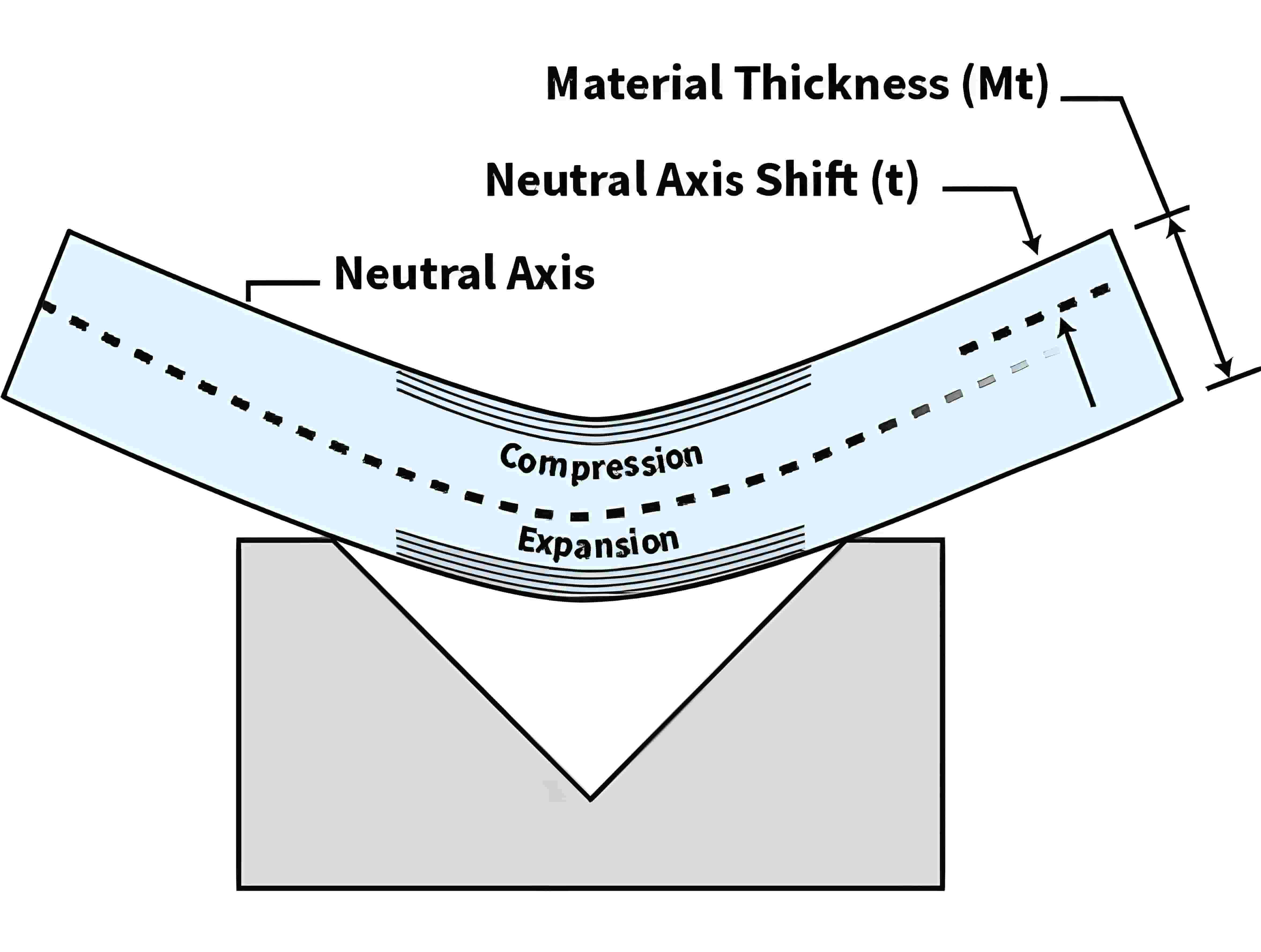
The bending radius of sheet metal refers to the radius of the inner curve formed by the material when it is bent during sheet metal processing. This radius is very important to ensure that the bent parts have good appearance and structural strength. The size of the bending radius affects the stress distribution of the material, the accuracy of the bending angle, and the difficulty of subsequent processing.
Hydraulic CNC Press Brake Machines

Ⅱ. What determines the bending of sheet metal?

1. Material type

Different materials (such as aluminum, stainless steel, carbon steel, etc.) have different ductility and strength, which affects the required bending radius. Flexible materials can use a smaller bending radius, while materials with higher hardness require a larger radius.

2. Material thickness

Generally speaking, the thicker the material, the larger the bending radius should be to avoid material cracking or undesirable stress concentration

3. Bending angle

The larger the bending angle, the larger the bending radius may be required to ensure that the material will not crack or deform during the bending process.

4. Processing technology

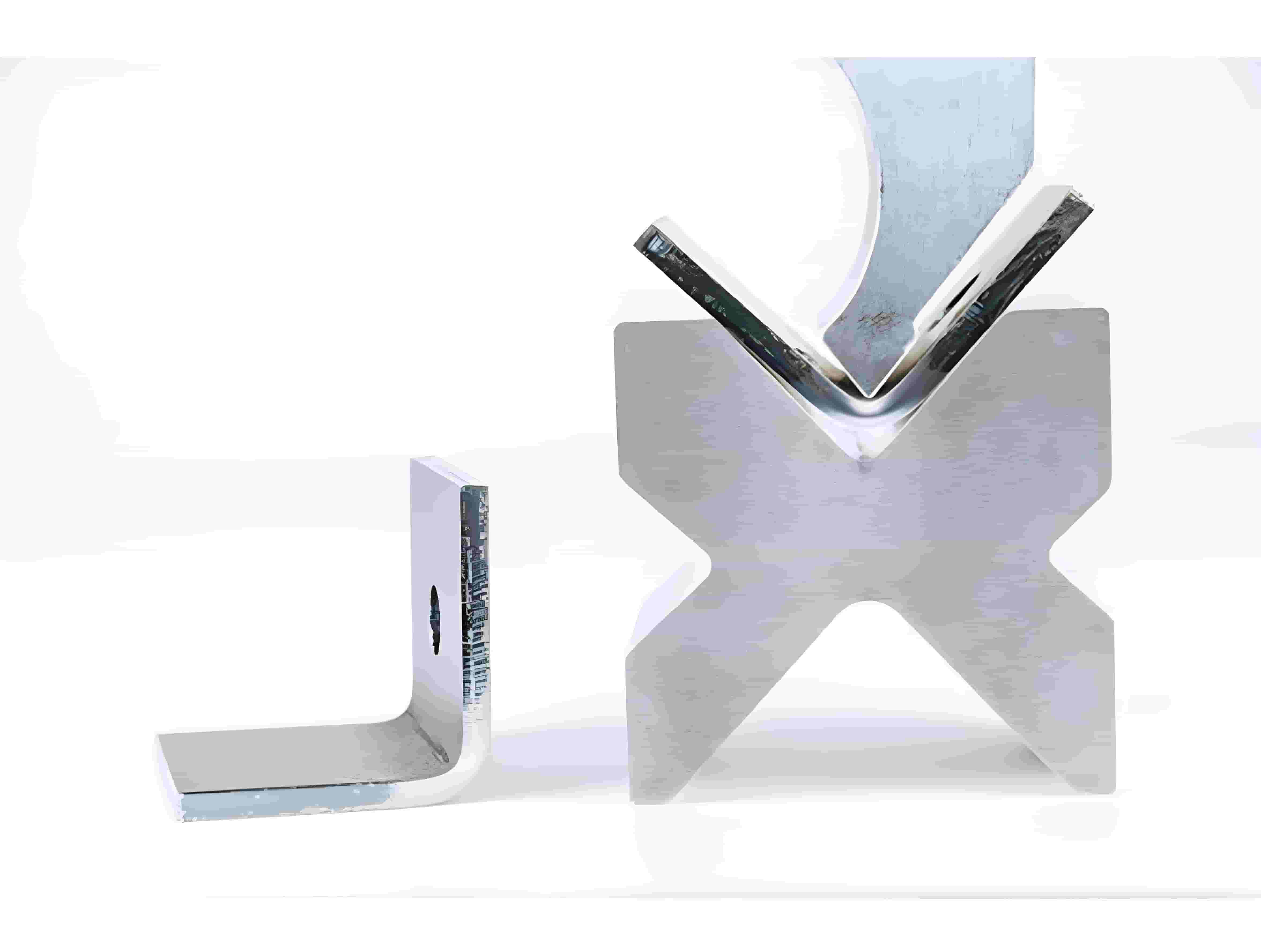
Different bending processes (such as air bending, bottom die bending, etc.) have different requirements for bending radius. Process parameters such as bending speed and pressure will also affect the final bending radius.
sheet bending machine

5. Mold design

The shape and design of the mold determine the stress of the material during the bending process. A good mold can help achieve the required bending radius

6. Subsequent processing requirements

If the subsequent processing (such as welding, painting, etc.) has specific requirements for the bending radius, these factors need to be considered to select the appropriate radius


Ⅲ. Bending radius calculation of Press Brake

First, select the mold opening according to the 8-fold rule. It is recommended that the V-shaped mold opening should be 8 times the material thickness. The size of the mold opening directly affects the bending radius.

While there is no exact formula to determine the ideal bending radius for sheet metal, it can be estimated that the bend radius is equal to the sheet thickness under certain specific force conditions.

It is important to note that variations in material thickness can affect the accuracy of this estimate. The V-die opening can be 6 to 12 times the material thickness. The bend radius is closely related to the material thickness. For material thicknesses less than 6 mm, the bend radius is equal to the material thickness.

For material thicknesses greater than 6 mm but less than 12 mm, the bend radius is generally 1.5 times the material thickness. For material thicknesses greater than 12 mm, the bend radius is approximately 3 times the material thickness.

The bending radius of the press brake can be calculated using the formula, all in millimeters:

r = (v - mt) / 2

- R is the bending radius

- V is the width of the V-shaped opening of the die

- MT is the material thickness

For example: if the die opening is 30mm and the plate thickness is 3mm, the bending radius is R=(30-3)/2=13.5mm

It is important to know that these are only rough guidelines, and there are many factors that affect the bending radius, so it is difficult to determine an exact number. When the plate thickness is equal to the bending radius, the optimal bending radius is achieved. The bend formed with this radius is consistent in angle and size, and the springback is minimal.


IV. What is the minimum bending radius of sheet metal

The smaller the bending radius, the greater the bending pressure required. Sheet metal is very prone to cracking, deformation or breaking during the bending process, and it is also easy to damage the mold. To avoid these problems, we should pay attention to the minimum inner bending radius.

Due to the different characteristics of bending methods, materials and molds, the minimum bending radius should also be paid attention to. In order to obtain a perfect sheet metal product, try to make the inner radius of the bend close to the thickness of the plate.

Choose sheet metal materials with high ductility. The greater the tensile strength and hardness of the sheet metal, the greater the bending pressure required.

The bending radius plays a vital role in sheet metal bending. The correct inner radius ensures the bending quality of the workpiece. The wrong inner radius of sheet metal bending can cause the workpiece to deform or even break. This article provides an overview of sheet metal bending. The use of ZYCO Press Brake helps to produce more precise workpieces. If you have any questions about large radius bending or any other type of sheet metal bending on a bending machine, please contact us.
Tags