头部背景图片

Can Stone Cutting Machines Cut Any Type of Stone?

2024-12-20

Stone cutting machines have revolutionized the way we process natural stone, providing a blend of precision, speed, and efficiency. However, many users still wonder, can a stone edge cutting machine cut any type of stone? The answer is a bit more nuanced, but one thing is clear: modern stone cutting machines are incredibly versatile and capable of handling a wide range of materials. Let’s explore the different types of stones and how cutting-edge technology can tackle each one.


Before we dive into the cutting capabilities, it’s important to understand the different types of stone commonly used in industries such as construction, sculpture, and home decor:


Granite: One of the hardest natural stones, granite is a popular choice for countertops, flooring, and monuments.

Marble: Known for its elegant look, marble is softer than granite and widely used in architectural features and fine art.

Limestone: A sedimentary rock that’s softer and easier to cut, limestone is used in both decorative and functional applications.

Quartzite: A hard, durable stone often used for countertops and flooring, but its density can challenge some cutting tools.

Soapstone: A softer stone that is easily cut and is often used for sculpting or creating countertops.

Onyx: A beautiful, translucent stone that requires specialized cutting techniques to maintain its delicate texture.

Each type of stone presents its unique challenges for cutting, but with the right multi blade granite cutting machine, nearly every one of these materials can be handled with ease.


Today’s stone cutting machines come in a variety of designs, from traditional bridge saws to high-tech CNC machines. They are designed to cut through these materials with precision and accuracy, ensuring smooth edges and perfect cuts every time.


Precision and Speed: Thanks to advanced technology, modern stone cutters can make intricate cuts on a variety of stones. With laser-guided or water jet cutting systems, the precision is unmatched. Even delicate stones like marble and onyx can be cut without damaging their surfaces.


Adjustable Settings for Different Stones: A major advantage of stone cutting machines is their ability to adjust cutting parameters based on the material. For example, when cutting granite, the machine can increase pressure and adjust blade speed to handle the stone’s hardness. Softer materials like limestone or soapstone may require less intense settings.


Water Jet Cutting: Water jet cutting, often used for more delicate stones, is a popular technique that uses high-pressure water mixed with abrasive materials. It allows for intricate patterns and designs to be cut without causing any damage to the stone. This makes it ideal for both artistic and industrial applications.


The ability to cut different types of stones has made automatic stone cutting machines indispensable in a variety of industries:


Construction and Architecture: Stones like granite and marble are frequently used in building facades, flooring, and even sculptures. The precision offered by modern cutting machines ensures that large-scale construction projects can be completed quickly and accurately.


Home and Kitchen Design: Stone countertops, backsplashes, and sinks are in high demand. Stone cutting machines enable manufacturers to produce these high-end designs with minimal waste and high quality.


Art and Sculpting: Artists and sculptors have long worked with stone, but the introduction of CNC stone cutting machines has taken their work to new levels. With the ability to execute complex designs, artists can create stunning sculptures with high levels of detail.


While not all stone cutting machines are created equal, our many machines are highly adaptable and capable of cutting through a wide range of materials. Whether it’s the hardest granite or the most delicate onyx, the right stone cutting machine can deliver precision, speed, and versatility for all your stone processing needs. With advances in technology, these machines are helping industries across the world achieve high-quality results efficiently, making them a must-have tool for any serious stone processing operation.


If you’re in need of a reliable, powerful stone cutting machine that can handle any job, don’t hesitate to contact us!

Choosing Between a Stone CNC Router & Waterjet

2024-12-20

When it comes to cutting and engraving stone, two popular technologies are the stone CNC router and the waterjet cutting machine. Both offer precision and versatility, but each has distinct advantages depending on your specific needs.


What is a Stone CNC Router?

A stone CNC router is a computer-controlled machine used to cut, shape, and engrave stone. It uses rotating tools to carve detailed designs and shapes on materials like marble, granite, and quartz. The CNC stone engraving machine is particularly suited for intricate engraving tasks.


What is a Waterjet Cutting Machine?

A waterjet cutting machine uses high-pressure water, often mixed with abrasives, to cut through stone. It can cut thick materials with high precision and is ideal for creating complex shapes without generating heat.


Key Differences

Cutting Method: The stone CNC router uses rotary tools for engraving and shaping, while the waterjet uses a focused stream of water for cutting.

Precision: Both offer high precision, but the CNC stone engraving machine is better for intricate designs and fine detailing.

Material Thickness: Waterjets can cut through thicker stone materials more easily, while CNC routers are best suited for thinner slabs.

Surface Finish: CNC routers provide smooth, clean cuts, while waterjets may leave a slightly rough edge.

Speed: CNC routers are generally faster for less complex cuts, while waterjets are better for thicker materials and complex shapes.


When to Choose Each
Stone CNC Router: Ideal for engraving, edge profiling, and cutting thinner materials with high precision. It's faster for simpler tasks.
Waterjet: Best for cutting thick stone or creating complex shapes with high accuracy.

Choose a stone CNC router for detailed engraving and shaping of thinner stones, and a waterjet cutting machine for cutting thick materials or intricate shapes. Understanding your specific needs will help you select the right machine for optimal performance.

Precautions for Using the EPS Jaw Crusher for Ores and Rocks

2024-12-20

The EPS jaw crusher is an essential tool in the mining and construction industries, designed for primary and secondary crushing of various ores and rocks. However, to ensure optimal performance, safety, and longevity of the equipment, there are several key precautions users should follow.


Proper Installation and Setup

Before using the jaw crusher, ensure it is installed on a stable foundation to prevent vibrations and potential damage during operation. The machine should be positioned in accordance with the manufacturer’s guidelines to allow for easy access and proper ventilation. Ensure that all components, such as motors, bearings, and belts, are securely fixed.


Check the Materials to Be Crushed

Only use the jaw crusher for materials within the specified limits. The jaw crusher machine is suitable for ores and rocks with a compressive strength not exceeding 320 MPa. Feeding materials that are too hard or too large for the crusher can lead to equipment damage and reduced performance. Always ensure that the materials are evenly distributed and within the recommended size range to prevent blockages.


Maintain Proper Lubrication

The crusher’s moving parts, such as the bearings and jaw, should be regularly lubricated to reduce friction and wear. Always use the recommended lubricant, and check oil levels frequently. Lack of lubrication can lead to increased friction, overheating, and premature equipment failure.


Regular Inspections and Maintenance

Routine maintenance is critical to ensure the long-lasting performance of the China EPS Jaw Crusher. Check the condition of the jaws, crusher plates, and bearings regularly. If any part shows signs of wear, it should be replaced promptly. Also, ensure the crusher’s discharge setting is adjusted correctly to achieve the desired output.


Avoid Overloading

Overloading the jaw crusher can cause unnecessary strain on the motor and other components, leading to mechanical failure. Always monitor the crusher’s capacity and avoid exceeding the maximum feed size or weight limits. If the machine shows signs of strain, such as unusual vibrations or sounds, stop the operation immediately and inspect the equipment.


Safety Precautions

Operators should always wear appropriate personal protective equipment (PPE), including safety gloves, goggles, and ear protection. Ensure that all safety guards and covers are in place before starting the machine. Never attempt to clear blockages or perform maintenance while the crusher is operating. Always follow proper lockout/tagout procedures.


By following these precautions, users can maximize the performance and lifespan of the Stone Crusher Machine. Proper installation, maintenance, and usage are essential to avoid costly repairs and ensure safe and efficient operation. Regular inspections and attention to detail will keep the equipment running smoothly and help prevent downtime.

EPS Jaw Crusher for Ores and Rocks

Stone Baluster Profiling Machine is an ideal stone processing

2024-12-20

In the world of stone fabrication, achieving precise and intricate designs is crucial to delivering high-quality finished products. Whether you’re creating decorative stone features for luxury homes, custom staircases, or architectural elements like balusters, the right equipment can make all the difference. The Stone Baluster Profiling Machine is one such game-changing tool that helps stone manufacturers and fabricators elevate their craft, combining efficiency, precision, and versatility in one powerful machine.


What is a Stone Baluster Profiling Machine?

A Stone Baluster Profiling Machine is a specialized piece of equipment designed to shape and profile stone into intricate balusters, columns, and other curved stone elements used in architectural and decorative applications. It uses advanced CNC (Computer Numerical Control) technology to automate the profiling process, ensuring that every baluster produced is consistent, accurate, and ready for finishing.

Balusters, the decorative vertical posts that are part of railings or staircases, often require precise shaping to achieve the desired aesthetic. The Stone Baluster Profiling Machine enables fabricators to create both traditional and contemporary designs, offering flexibility in shaping different materials, including marble, granite, limestone, and other natural stones.


Why Choose a Stone Baluster Profiling Machine?

1. Precision and Accuracy

Stonework requires an unmatched level of precision, and the Stone Baluster Profiling Machine excels in this area. Thanks to its CNC technology, it can produce stone balusters with exact measurements, fine details, and consistent quality. Whether you're creating simple round shapes or more complex decorative profiles, this machine ensures that every piece meets the highest standards.

2. Speed and Efficiency

Manual stone shaping can be a labor-intensive and time-consuming process. With a Stone Baluster Profiling Machine, the production time is dramatically reduced. The machine can quickly shape stone to the desired profile, allowing fabricators to handle large production volumes without compromising quality. This is especially beneficial for companies working on large-scale construction or renovation projects that demand high throughput.

3. Flexibility in Design

The Stone Baluster Profiling Machine isn’t just for traditional designs. Thanks to its advanced features and customizability, it can create a wide range of baluster styles—from classical, ornate balusters to sleek, modern shapes. Whether your design calls for a simple cylindrical profile or a more complex, curved design, the machine adapts to your needs, making it an invaluable tool for stone manufacturers working in diverse architectural styles.

4. Consistency Across Production Runs

When producing multiple stone balusters for a project, consistency is key. The Stone Baluster Profiling Machine guarantees that every baluster is identical in size and shape, ensuring a cohesive and professional finished look. This consistency eliminates the need for rework and ensures that your project stays on schedule.

5. Reduced Waste and Cost-Effective Operation

Manual stone cutting often results in waste and inefficiencies. With automated profiling, the Stone Baluster Profiling Machine minimizes material waste, making the production process more cost-effective. The high level of accuracy also means fewer errors and less need for costly adjustments, reducing overall production costs.


While the Stone Baluster Profiling Machine shapes and profiles the stone, achieving the perfect finish often requires a polishing step. For this, Curve Line Polishing Machines are an excellent complement. Designed specifically for curved and intricate stone surfaces, these machines provide the smooth, glossy finish that enhances the beauty of the stone. Whether you are finishing balusters, columns, or other stone pieces, using a polishing machine after profiling ensures a flawless surface that is both aesthetically pleasing and durable.

Elevate Your Stone Processing with the Latest Stone Polishing and Cutting Machines

2024-12-20

In the world of stone processing, precision, efficiency, and versatility are paramount to achieving the perfect finish for both residential and commercial projects. Whether you’re working with marble, granite, quartz, or other natural stones, the right equipment can make all the difference. That's why stone polishing machines and stone cutting machines are essential investments for anyone in the stone industry, offering advanced features that streamline operations and enhance the quality of work.


Stone Polishing Machines: Achieve a Flawless Finish

A high-quality stone polishing machine is crucial for bringing out the natural beauty of stone surfaces. Whether you're working on countertops, floors, or decorative elements, the polishing process is what gives stone its characteristic shine and smoothness. With a stone polishing machine, you can easily achieve a mirror-like finish that enhances the texture, color, and overall appearance of the stone.

Our stone polishing machines are designed with precision and efficiency in mind, allowing you to achieve the perfect sheen without compromising on quality. Equipped with advanced abrasive tools and adjustable settings, these machines ensure consistent, smooth surfaces with minimal effort. They are ideal for polishing marble, granite, and engineered stone, creating surfaces that are not only visually stunning but also durable and easy to maintain.

Key Benefits of Stone Polishing Machines:

    Superior Finish: Achieve a high-gloss, flawless surface that enhances the stone's natural color and pattern.
    Time Efficiency: With powerful motors and multiple polishing heads, these machines dramatically reduce the time needed to complete each project.
    Versatility: Whether you're working on floors, walls, or countertops, a stone polishing machine can handle various applications with ease.
    Durable Construction: Built with high-quality materials, these machines are designed for long-term use in demanding environments, reducing the need for frequent maintenance.

Stone Cutting Machines: Precision Meets Power

When it comes to cutting stone, precision is everything. Stone cutting machines are the backbone of any stone processing operation, enabling you to cut through hard materials with ease and accuracy. From intricate designs and decorative stonework to large-scale commercial projects, the right cutting equipment can make even the most complex cuts look effortless.

Our stone cutting machines combine cutting-edge technology with robust performance, providing high-speed, precision cuts with minimal wastage. Whether you need to cut marble slabs, granite blocks, or concrete tiles, these machines are equipped with diamond blades and advanced motor systems that allow for smooth, clean cuts every time.

Key Benefits of Stone Cutting Machines:

    Precision Cutting: Achieve clean, accurate cuts with minimal material wastage.
    High-Speed Performance: Reduce processing time and increase productivity with powerful motors and advanced cutting systems.
    Versatility: Ideal for various cutting needs, from straight cuts to intricate designs and angles.
    Safety Features: Equipped with advanced safety systems, these machines are designed to protect operators while maintaining high performance.

Why Choose Both? The Perfect Combination

For those in the stone industry, having both a stone polishing machine and a stone cutting machine is the ultimate combination for high-quality production. The cutting machine allows you to prepare stone pieces with precision, while the polishing machine brings out the stone’s beauty and elegance. Together, these machines provide an efficient and seamless workflow, ensuring that every project—from the initial cut to the final polish—is executed to perfection.

What are the advantages of Multi-Head Bush Hammer Chip-Axe Machine

2024-12-20

In the ever-evolving construction and stone processing industries, efficiency, precision, and durability are key to achieving superior results. When it comes to surface treatment, whether you're working with stone, concrete, or other hard materials, achieving a consistent, textured finish that ensures durability and aesthetics is crucial. That's where the Multi-Head Bush Hammer Chip-Axe Machine comes into play, revolutionizing the way we approach surface preparation.


High-Efficiency Surface Treatment

The Multi-Head Bush Hammer Chip-Axe Machine is designed to provide exceptional performance by utilizing multiple bush hammer heads that work simultaneously. This powerful, high-efficiency mechanism dramatically reduces processing time while delivering flawless, uniform textures. Whether you're looking to enhance the grip of a floor, improve the appearance of a facade, or add a decorative touch to your stone surfaces, this machine offers unparalleled speed and precision.

With its multi-head design, the machine can cover larger areas in a fraction of the time compared to traditional single-head systems. This means you can achieve more in less time, improving both productivity and profitability.


Built for Durability and Reliability


Crafted with heavy-duty, industrial-grade materials, the Multi-Head Bush Hammer Chip-Axe Machine is engineered to withstand the toughest working environments. Whether you're dealing with abrasive materials like concrete or granite, or working in high-demand conditions, this machine is built to endure. Its robust construction ensures long-lasting durability, requiring minimal maintenance, and providing excellent return on investment.

The machine’s advanced control system allows for smooth operation and precise adjustments, ensuring the surface finish is exactly as required. With customizable settings for intensity and depth, you can tailor each processing session to your specific material and project needs.


Versatile and Powerful Performance


From creating non-slip surfaces for walkways to preparing textured finishes for walls and decorative stone, the Multi-Head Bush Hammer Chip-Axe Machine excels across a wide range of applications. Its ability to create high-impact textures is not only crucial for aesthetic appeal but also for enhancing safety in commercial and residential spaces. Whether it’s a high-traffic area or a delicate stone façade, this machine ensures each surface is treated with care and precision.

Moreover, the flexible adjustment mechanism allows operators to control the texture's depth, from a light, sandblasted finish to a more rugged, heavily-textured surface. The versatility of this machine makes it ideal for both small-scale projects and large, high-volume production environments.


Efficient and Cost-Effective Solution


In today’s competitive market, reducing operational costs while maximizing productivity is essential. The SMT Multi-Head Bush Hammer Chip-Axe Machine offers an efficient and cost-effective solution to meet these demands. By speeding up the surface preparation process and minimizing the need for manual labor, businesses can increase output, reduce costs, and ultimately improve their bottom line.


Efficient Stone Polishing Machines for Professional Results

2024-12-20

In the stone processing industry, achieving a perfect finish is crucial to both the aesthetic appeal and longevity of stone products. Whether working with granite, marble, or other natural stones, the quality of the polishing process can make or break the final result. Traditional methods of polishing often involve labor-intensive and inconsistent techniques, which can lead to inefficiencies, longer production times, and a less-than-perfect finish. This is where stone polishing machines come in, revolutionizing the way professionals handle stone polishing.


A stone polishing machine is designed to deliver precise and consistent results, ensuring every stone surface is polished to perfection. The automatic nature of these machines takes much of the manual effort out of the process, providing a much more efficient solution for large-scale stone production. With automated controls, operators can achieve uniform polishing across multiple pieces, resulting in a high-quality finish every time. This eliminates the inconsistencies that often come with manual polishing, where factors such as pressure, speed, and technique can vary from one worker to another.


One of the primary advantages of an automatic stone polishing machine is its ability to process stones at a much faster rate than traditional methods. By automating the polishing process, these machines can work continuously with minimal supervision, significantly reducing labor costs and production time. In industries where large volumes of polished stone are required, this efficiency translates into a more streamlined workflow, allowing businesses to meet demanding deadlines without compromising quality.


Furthermore, stone polishing machines are equipped with advanced technology that ensures consistent, high-quality results across different types of stone. Whether polishing a delicate marble slab or a rugged granite countertop, the machine can be adjusted to suit the specific material. This level of flexibility allows stone processors to achieve the desired finish on a wide variety of stones without the risk of damage or uneven results.


While the initial investment in automatic stone polishing machines may seem significant, the long-term benefits make it a worthwhile addition for any stone processing facility. The reduced need for manual labor, coupled with the increased production speed, results in lower overall costs and higher productivity. Additionally, these machines help reduce the margin for error, ensuring that every stone is polished to the highest standards, which is essential for industries that require precision and reliability.


Incorporating an automatic stone polishing machine into your stone processing operations is not just about improving efficiency—it’s about transforming the way stone products are finished. With the right machine, businesses can achieve flawless results, save on labor costs, and elevate the quality of their stone products to meet the demands of today's market. Whether you are working on large-scale commercial projects or smaller custom jobs, these machines offer the precision, consistency, and reliability that professionals in the stone industry need to stay competitive.

Does your car need a new clutch plate? A quick check will tell you!

2024-12-17

The clutch is a crucial component in a vehicle, belonging to the transmission system and directly connected to the engine. Its presence ensures smooth starts and gear shifts. Within the clutch, there's a vital small part known as the clutch plate, which can be considered the heart of the clutch. The clutch pedal we press while driving actually controls the engagement and disengagement of this clutch plate.


The clutch plate is a composite material primarily designed for friction. As with any friction-based component, wear and tear are inevitable, leading to the question of its lifespan. There's no definitive answer to how long a clutch plate lasts since it depends on the vehicle's operating environment. For instance, a car frequently driven in congested areas will likely have a shorter clutch plate lifespan due to the frequent need to engage and disengage the clutch to control speed. In other words, higher usage frequency translates to shorter lifespan.

Given the variability in clutch plate lifespan, how can ordinary car owners determine when it's time for a replacement? Here are a few telltale signs:


  1. Needing to lift the clutch higher: If you find yourself having to lift your foot higher on the clutch pedal to engage gears compared to before, it's a sign that the clutch plate is significantly worn and needs replacing.


2. Delayed acceleration response: When you step hard on the accelerator expecting a surge of speed, but the car responds sluggishly, it indicates the clutch plate is worn to the point of slipping, reducing power transfer.


3. Noticeable power loss: While engine issues can also cause power loss, if your car struggles to accelerate, especially during starts and uphill climbs, despite the engine functioning normally, it's a sign of severe clutch plate wear and slipping.


4. Increased fuel consumption: While multiple factors can contribute to higher fuel consumption, if your car exhibits the above symptoms and fuel efficiency declines, it's likely due to the clutch plate. Replacing it could resolve the issue.

Replacing a clutch plate is a task that shouldn't be overlooked. While the cost of replacing just the clutch plate is relatively low, neglecting severe wear can lead to damage to the flywheel, resulting in much higher repair costs. So, stay vigilant and address clutch issues promptly.

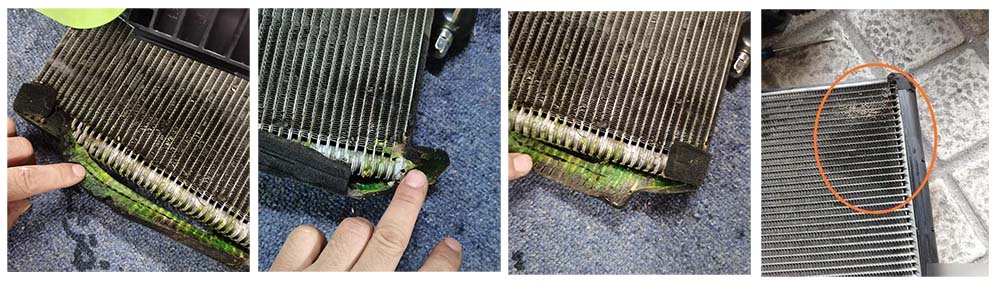
The principle of the automotive dryer assembly

2024-12-17

The automotive dryer assembly is a device designed to eliminate moisture inside vehicles. Its primary operating principle involves controlling temperature and humidity to convert water vapor present in the humid air inside the vehicle into steam, thereby eliminating dampness and enhancing the comfort of the cabin environment.

The automotive dryer assembly primarily consists of the following components:


1. Heat Exchanger:At the heart of the automotive dryer assembly, the heat exchanger utilizes temperature conduction to transfer external heat to the humid air inside the vehicle, converting water into steam. Constructed from high-thermal-conductivity materials, it possesses excellent heat transfer properties, enabling rapid heat transfer to the wet air.


2. Fan:Another vital component, the fan generates airflow that blows the humid air inside the vehicle onto the heat exchanger, accelerating the evaporation process. Driven by an electric motor, the fan's speed and airflow volume can be adjusted to adapt to varying operating conditions and temperature requirements.


3. Control System:This system monitors and regulates the operating status of the automotive dryer assembly, including temperature, humidity, and fan speed. Comprising sensors, controllers, and actuators, it automatically adjusts the dryer's operating conditions to maintain the cabin humidity within an appropriate range.

The operational process of the automotive dryer assembly is as follows:


1. Startup:Upon vehicle ignition, the control system assesses the cabin humidity. If the humidity exceeds a preset threshold, it initiates the dryer's operation.


2. Heat Exchanger Heating:Once activated, the control system heats the heat exchanger to a specific temperature, typically during unmanned or unoccupied periods, leveraging residual heat generated during driving.


3. Air Circulation:After the heat exchanger reaches the set temperature, the fan commences, drawing in humid air and directing it over the heat exchanger. Simultaneously, the heat exchanger rapidly transfers heat to the wet air, facilitating evaporation into steam.

4. Steam Exhaustion: Over time, water vapor in the humid air converts into steam and exits the vehicle through exhaust vents. Gradually, the cabin humidity decreases, achieving a drier state.


5. Shutdown:When the cabin humidity falls below the preset threshold, the control system halts the dryer's operation to prevent over-drying.

In summary, the automotive dryer assembly eliminates dampness by converting internal moisture into steam through temperature and humidity control. It boasts rapid, efficient, and automated operation, enhancing cabin comfort and driving safety.

The Principles of Maintenance and Servicing of Concrete Pump Trucks

2024-12-17

Concrete pump trucks are vital equipment commonly used in construction projects, efficiently transporting concrete to job sites and enhancing construction efficiency. However, without proper maintenance and servicing, their lifespan can significantly shorten, severely impacting construction progress and quality. Therefore, the maintenance and servicing of concrete pump trucks are of paramount importance.

1. Daily Maintenance

   (1) Hydraulic System Maintenance

     The hydraulic system is a crucial driving force for concrete pump trucks. Daily maintenance should focus on the quality and level of hydraulic oil. Poor-quality oil can hinder the normal operation of the hydraulic system, while insufficient or excessive oil levels can also affect the truck's longevity. Additionally, monitor wear and damage to hydraulic piping; promptly replace pipes with cracks, deformations, or other defects.

(2) Electrical System Maintenance

     The electrical system serves as both the control and an essential driving system for concrete pump trucks. Daily checks should include assessing wear and aging of electrical components, replacing faulty ones promptly. Ensure wiring connections are secure, and inspect cables for wear or damage, addressing any issues immediately.

(3) Mechanical System Maintenance

     The mechanical system encompasses steering, braking, and transmission components. Daily checks should cover wear and aging of mechanical parts, replacing heavily worn components. Lubrication is also crucial; promptly add lubricant if insufficient or absent.

2. Regular Servicing

(1) Hydraulic System Servicing

     Regularly replacing hydraulic oil is a vital step in hydraulic system maintenance. Typically, hydraulic oil should be changed every 6 months to 1 year, depending on usage. Also, replace filters periodically to maintain the hydraulic system's smooth operation.

(2) Electrical System Servicing

     Regularly inspect electrical wiring and components for wear, repairing or replacing damaged items. Ensure proper grounding of power lines for electrical safety and reliability.

(3) Mechanical System Servicing

     Regularly change engine oil and filters, typically every 3 to 6 months, to keep the mechanical system functioning optimally. Tighten loose mechanical components during routine inspections and adjustments to prevent failures.

3. Maintenance in Special Conditions

(1) Maintenance in Low Temperatures

     When operating in cold temperatures, monitor hydraulic oil temperature and viscosity. Cold oil can disrupt hydraulic system functioning; use low-temperature hydraulic oil and preheat the hydraulic system to normal operating temperature.

(2) Maintenance in High Temperatures

     In high temperatures, also monitor hydraulic oil temperature and viscosity. Overheated oil can cause hydraulic system malfunctions; use high-temperature hydraulic oil and regularly change oil and filters. Additionally, monitor mechanical component temperatures to prevent overheating.

In conclusion, proper maintenance and servicing are essential for the long-term stable operation of concrete pump trucks. Daily maintenance should encompass the hydraulic, electrical, and mechanical systems, while regular servicing ensures the equipment's continued normal function. In special conditions, particular attention should be paid to hydraulic oil temperature and viscosity, as well as mechanical component temperatures, to guarantee the truck's safety and reliability.

Tags