头部背景图片

PU TPU TPE parts cryogenic deburring machine

2024-09-27

PU TPU TPE parts cryogenic deburring machine


Cryogenic Deflashing or cryogenic deburring is available for all molded parts, including those made of plastics, polymers, nylons, rubbers, silicone rubber, polyurethane, neoprene, liquid crystal polymer, urethane, viton, polycarbonate, PTFE, PPS, delrin, polypropylene, EPDM, nitrile, butyl, DAP, ABS, PEEK, Acetal and aluminum zinc die cast and precision elastomer parts.


Cryogenic Deflashing Works On Most Molded Parts


The computer-controlled process generates repeatable and reliable results. Many medical devices and other high value precision molded components are included in our vast array of successful deflashing applications. We have processed parts manufactured through injection molding, compression molding and extrusion molding.

Our cryogenic deflashing machine offers a fast and repeatable process to remove flash from plastic parts. Through freezing, tumbling and blasting polycarbonate media at your injection molded plastic parts, we are able to remove residual mold flash time and time again.

The Cryogenic Deflashing process was originally created to remove mold flash from rubber parts. We are able to deflash rubber parts that are injection molded, extrusion molded and compression molded. We have processed parts made of various durometers. We typically deflash rubber parts made of EPDM, neoprene, Viton, Buna-N, nitrile, natural gum, SBR, butyl, and other elastomers.

Our Cryogenic Deflashing machine is often used by molders who work with silicone rubber. Silicone rubber, by its nature, is very viscous causing it to flash during the molding process. The Pege’s Deflashing machine removes mold flash from silicone rubber parts. We deflash parts made of liquid silicone rubber and even special blends of silicone rubber that include conductive fillers such as silver, graphite, nickel.


Rather than invest in an expensive new or repaired mold tool, customers can elect to extend the functional life of their mold tool by adding the additional step of deflashing, to finish the part and remove any residual flash leftover after molding operations. It is economical to pay only a slight premium per part than to invest in a new molding tool that has a limited production life.


Cryogenic Deflashing is a fast and efficient process that provides complete removal of mold flash without affecting the surface finish. Therefore, it is a safe,clean and cost-effective alternative to traditional methods.

Parts are placed in a chamber, cooled, tumbled and impacted with plastic polycarbonate media. Mold flash is removed quickly and cleanly. No dust or residue remains after deflashing.

Cryogenic Deflashing is more cost-effective than labor-intensive hand deflashing by a significant margin. The cost to process parts can range from less than .01 cent to several dollars apiece. General rule of thumb: cost is between 10% and 20% of the value of the part, although each part must be considered on its individual


Nanjing Pegedeflashing’s Cryogenic Deburring Machine’s ADVANTAGES

Greater productivity

Large output in short time

Better and consistent Finish

Low Labour dependence

Space Saving

Low Media Consumption

Wide variety of rubber compounds - NR to Silicon Rubber

Low Nitrogen Usage

Simple Electrical Controls

High Efficiency Blast Wheel

Safety Interlocks

Simple and Very Low maintenance


Our factory and Workshop of cryogenic deflashing systems

Nanjing Pege Techno Machine Co.,Ltd production plant is located in the No.9 Ankang road, Guli Industrial Zone, Jiangning District, Nanjing.
We have professional production workers and process, are determine to produce best product for the customer all over the world


Packing and Transportation of cryogeic deflashing equipments

The machine produced by Nanjing Pege is well packed by plywood carton suitable for long distance sea transportation to ensure machine safety and performance.

We can help customer to arrange the transportation by the terms of FOB, CIF with land or sea transportation methods according to the request from the 

The main components of an aluminum foil airline food container making machine

2024-09-27

An aluminum foil container making machine is a specialized machine used for the production of aluminum foil food containers specifically designed for use in airlines and other similar food service industries. The aluminum foil plate/ tray making machine is capable of producing a high volume of uniform and standardized food containers in a fast and efficient manner.

The main components of an aluminum foil airline food container making machine typically include:

  1. Feeding System: This system is responsible for feeding the aluminum foil material into the machine for further processing. It may consist of a roll of aluminum foil and a tension control system to ensure smooth and continuous feeding.

  2. Material Cutting System: The machine is equipped with a cutting system to accurately cut the aluminum foil into the desired shape and size for the food containers. Various cutting mechanisms such as rotary cutting or stamping may be used depending on the specific design of the machine.

  3. Molding System: This system shapes and molds the cut aluminum foil into the final form of the food container. It may utilize a combination of mechanical presses and molds to create the necessary folds and shapes required for the container.

  4. Punching System: A punching system is employed to create perforations or ventilation holes in the formed aluminum foil containers, allowing steam and heat to circulate during the food heating process.

  5. Stacking and Collection System: The machine typically includes a stacking and collection system to neatly stack and collect the finished aluminum foil containers, ready for packaging and transportation.

  6. Control System: The aluminum foil plate/ tray making machine is controlled by an automated control system that enables operators to set parameters such as container size, cutting length, perforation patterns, and production speed. It ensures proper synchronization and coordination of the various machine components for efficient operation.

The main features of an aluminum foil airline food container making machine include high production efficiency, precise cutting and shaping capabilities, adjustable container sizes, automatic operation with minimal manual intervention, and reliable performance. These machines are designed to meet the specific requirements of the airline food service industry, producing containers that are lightweight, durable, and suitable for sealing and reheating food during flight operations.

The Main Compositions of A Cryogenic Deflashing System

2024-09-27

The Main Compositions of A Cryogenic Deflashing System

A cryogenic deflashing machine, also known as a cryogenic deflashing system, is used for removing unwanted burrs, flash, or excess material from molded or machined components. The composition of a cryogenic deflashing system generally includes the following components:

1. Deflashing Chamber: This is the main working chamber where the components to be deflashed are placed. It is usually a sealed, insulated enclosure designed to withstand low temperatures.

2. Liquid Nitrogen (LN2) Supply(nitrogen deflashing machine): Cryogenic deflashing relies on liquid nitrogen as the cryogenic medium. The LN2 supply provides the necessary cooling agent required for the process.

3. LN2 Delivery System: This system is responsible for delivering liquid nitrogen to the deflashing chamber. It typically consists of supply lines, valves, and control mechanisms to regulate the flow of LN2.

4. Control Panel: The control panel houses the electrical and electronic components that control and monitor the cryogenic deflashing process. It includes temperature controllers, timers, pressure gauges, and safety features.

5. Media Circulation Mechanism: Some cryogenic deflashing machines incorporate an auto media circulation system to realize the media blasting function and then enhance the deflashing process. This can be in the form of tumbling barrels, rotating baskets, or oscillating fixtures.

6. Exhaust System: As cryogenic  deflashing process generates gases and vapors, an exhaust system is employed to remove these by-products from the deflashing chamber. It helps maintain a safe working environment and prevents the accumulation of hazardous substances.

7. Filtration System: To remove any debris or particulate matter generated during the deflashing process, a filtration system may be included. It helps ensure the cleanliness of the liquid nitrogen and prolong the equipment's lifespan.

8. Safety Features: Cryogenic deburring machines often have safety features such as emergency stop buttons, alarms, and interlocks to ensure operator safety during operation.


It's important to note that specific configurations and features of cryogenic deflashing systems may vary depending on the manufacturer and the intended application. Get more details from www.pegedeflashing.com


The Versatility and Efficiency of Mini Excavators Your Ultimate Guide

2024-09-27

Mini excavators have become increasingly popular in the construction industry due to their compact size, maneuverability, and versatility. Among the various models available, the 1.5-ton mini excavator stands out as a highly sought-after option. With features like a zero-tail design and competitive pricing, these machines offer incredible value for both large-scale construction projects and DIY enthusiasts.

1.5-Ton Mini Excavator: Compact yet Powerful

The 1.5-ton mini excavator is a powerful machine packed into a compact design. Its size and weight make it perfect for navigating tight spaces and narrow job sites that larger excavators cannot easily access. Despite its smaller stature, it doesn’t compromise on performance and efficiency.

Digger Excavator: Unleashing Digging Potential

Equipped with a high-quality digger, this mini excavator ensures effortless excavation tasks. Whether it’s digging trenches, foundations, or even swimming pools, the digger excavator gets the job done quickly and effectively. Its precise control and reliable digging capabilities make it an indispensable tool on any construction site.

Crawler Excavator: Tackling Challenging Terrain

Thanks to its crawler tracks, the mini excavator maintains stability on various terrains. From muddy conditions to rough surfaces, this excavator offers outstanding traction, ensuring smooth operation even in the most challenging environments. Its ability to navigate uneven ground redefines the possibilities and expands project capabilities.

1500KG Hydraulic Excavator: Efficient Performance

The 1500KG hydraulic excavator packs a punch when it comes to power and performance. Its hydraulic systems provide efficient and precise operation for digging, lifting, and loading tasks. With customizable attachments available, such as buckets, breakers, and grapples, this mini excavator adapts seamlessly to different project requirements.

Zero Tail Mini Excavator: Enhanced Maneuverability

The zero-tail design of this mini excavator allows it to rotate within its own footprint, improving maneuverability in confined spaces. This feature is particularly beneficial when working in urban areas where space is limited. With the ability to perform 360° turns without worrying about the tail swing, it provides maximum productivity without any compromise.

Micro Excavator: Small Size, Big Impact

For jobs that demand utmost precision and delicate operation, the micro excavator is the perfect choice. With its compact profile and agile movements, it excels in tasks like landscaping, pipe installation, and garden renovations. Its small size ensures minimal disturbance to the surrounding environment while maintaining exceptional digging capabilities.

Hot Sale Mini Excavators: Stay Ahead of the Game

In recent years, mini excavators have gained significant popularity in the construction market. Their versatility, cost-effectiveness, and efficiency make them an attractive investment. With hot sale mini excavators, you’re not only getting a reliable machine but also keeping up with current trends and advancements in construction technology.

Unleash Your Project Potential Today!

Whether you’re a contractor looking to expand your fleet or a homeowner planning a DIY project, the 1.5-ton mini excavator is a game-changer. Its compact size, powerful performance, and competitive pricing make it a valuable addition to any construction arsenal. With its zero tail design, versatility, and an array of customizable attachments, this excavator ensures that no job is too challenging.

Invest in a mini excavator today and experience the efficiency, versatility, and productivity it brings to your projects. Unleash your project potential and conquer every digging task with ease!

A Step-by-Step Guide to Using the Automatic Scanner

Are you new to using an automatic scanner? Don’t worry, we’ve got you covered! In this step-by-step guide, we’ll walk you through the process of using the Automatic Scanner tool. Whether you’re a beginner or just looking to refresh your knowledge, this guide will help you get up and running in no time.

Step 1: Installation

The first step is to download and install the Automatic Scanner software. You can find the installer on the official website. Simply click on the download link and follow the instructions provided. Once the installation is complete, you’re ready to move on to the next step.

Step 2: Configuration

After the installation, it’s time to configure the Automatic Scanner. Open the software and you will see a settings page. Here, you can specify the scanning preferences, such as the depth of the scan, types of vulnerabilities to look for, and the target website. Take your time to configure these settings based on your requirements. Once you’re done, save the settings.

Step 3: Start the Scan

With the software installed and configured, it’s time to start the scan. Click on the “Scan” button to initiate the process. The Automatic Scanner will now start scanning the target website for vulnerabilities based on the settings you’ve specified. This may take a while depending on the size of the website and the depth of the scan.

Step 4: Analyze the Results

Once the scan is complete, the Automatic Scanner will provide a detailed report of vulnerabilities found. Take some time to analyze the results. The report will highlight the type of vulnerability, severity level, and suggested solutions to fix them. Make sure to pay attention to critical vulnerabilities that require immediate attention.

Step 5: Fixing the Vulnerabilities

Now that you have a list of vulnerabilities, it’s time to address them. Work through the list one by one, starting with the critical vulnerabilities. The report will provide suggested solutions, but it’s important to do thorough research and follow industry best practices for fixing each vulnerability. Remember to document the changes made for future reference.

Step 6: Re-scan and Verify

After you’ve fixed the vulnerabilities, it’s crucial to re-scan the website to ensure that all the issues have been resolved. Repeat the scanning process as described in Step 3. If the scan shows no vulnerabilities, congratulations! You’ve successfully secured your website.

Step 7: Regular Scans and Updates

Remember that security is an ongoing process. It’s essential to schedule regular automatic scans to identify and address any new vulnerabilities that may arise. Set up a recurring scan at regular intervals to stay on top of your website’s security.

With these simple steps, you can effectively use the Automatic Scanner to secure your website and protect it from potential threats. Remember to keep your software up to date and stay informed about the latest security practices. Happy scanning!

Unveiling the Power and Efficiency of Multi-Layer Extruders

Are you searching for a cutting-edge solution to enhance your plastic sheet extrusion process? Look no further! In this blog post, we will delve into the world of multi-layer extruders, also known as co-extrusion plastic sheet extruding machines or multi-layer plastic sheet extruding machines. These groundbreaking machines have revolutionized the plastic extrusion industry, offering superior productivity, flexibility, and cost-effectiveness.

Understanding Multi-Layer Extruders

Multi-layer extruders, equipped with state-of-the-art co-extrusion technology, enable the production of plastic sheets with multiple layers. This innovative process involves feeding various materials into individual extruders, which are then combined to create a single extrudate with distinct layers or compositions. By utilizing multiple extruders in a single machine, manufacturers can achieve precise layer distribution, optimum product quality, and enhanced functionality.

Enhanced Performance and Versatility

The benefits of multi-layer extruders are truly remarkable. These machines boast exceptional performance and versatility, making them a preferred choice in various industries. Here are some key advantages:

  1. Product Quality: Multi-layer extruders produce sheets with superior properties, such as improved strength, barrier properties, and appearance. The ability to combine different materials in precise proportions provides manufacturers with endless possibilities in product design and customization.

  2. Efficiency: With multi-layer extruders, manufacturers can achieve higher production speeds due to the simultaneous extrusion of multiple layers. This results in increased efficiency, reduced downtime, and higher overall output.

  3. Cost-Effectiveness: By utilizing co-extrusion technology, multi-layer extruders significantly reduce material waste compared to traditional extruding methods. Manufacturers can produce high-quality sheets with minimal raw material consumption, ultimately saving costs and maximizing profitability.

  4. Flexibility: Multi-layer extruders offer unmatched flexibility in adjusting layer thickness, ratio, and position. This enables the production of sheets with varying properties, such as UV resistance, flame retardancy, or conductivity. Manufacturers can tailor their products to meet specific customer requirements or industry standards.

Applications in Various Industries

The versatility of multi-layer extruders allows them to cater to a wide range of industries. Here are some notable applications:

  • Packaging: Multi-layer plastic sheets produced by these machines find extensive use in the packaging industry. The combination of different materials provides excellent barrier properties, protecting products from moisture, oxygen, and UV light.

  • Automotive: The automotive industry benefits from multi-layer extruders by utilizing the resulting plastic sheets for interior and exterior components. These sheets exhibit enhanced strength, impact resistance, and heat stability, meeting the demanding requirements of the automotive sector.

  • Construction: Multi-layer plastic sheets find applications in the construction sector, providing solutions for roofing, cladding, and insulation. The ability to incorporate insulation layers within the sheets enhances energy efficiency and thermal insulation, contributing to sustainable building practices.

  • Medical: Multi-layer plastic sheets with specific properties, such as chemical resistance or sterilizability, are crucial in the medical industry. These sheets are used for packaging medical devices, pharmaceuticals, and sterilization wraps.

Conclusion

Multi-layer extruders have undoubtedly transformed the plastic extrusion landscape with their exceptional capabilities. Offering unparalleled precision, efficiency, and cost-effectiveness, these machines empower manufacturers in various industries. Whether you require high-quality packaging materials, automotive components, construction solutions, or medical-grade sheets, multi-layer extruders are the answer to your extrusion needs. Embrace the power of co-extrusion technology and unlock infinite possibilities for your plastic sheet production!

Exploring Wood Pulp How are White Papers Made?

Wood pulp is an essential raw material used in the manufacturing of various paper products. But have you ever wondered how wood pulp is obtained and processed to create that pristine white paper we write on? In this article, we will delve into the fascinating world of wood pulp plants, bleach wood pulp making plants, wood pulp deinking machines, and the role of digesters in the pulping line. Join us as we uncover the intricate process and discover the advanced equipment involved in wood pulp production.

Wood Pulp Plant: An Overview

A wood pulp plant serves as the foundation for producing high-quality paper. This plant extracts wood fibers from trees and converts them into pulp through an intense pulping process. The selected wood species undergo various treatments to ensure optimal fiber quality and strength. The end result is a fibrous material that can be further processed.

Bleach Wood Pulp Making Plant: Turning Pulp into White Paper

To obtain the white color synonymous with paper, the wood pulp undergoes bleaching in a dedicated plant. Through a multi-step process, the dark lignin present in the pulp is effectively removed, resulting in a clean and bright appearance. This bleached wood pulp is then ready for transformation into white paper.

Wood Pulp for White Paper: The Making of a Clean Canvas

Once the wood pulp has been bleached, it is eagerly awaited by paper mills. The white pulp serves as a clean canvas for producing high-quality white paper products. From notebooks to printer paper, the bleached wood pulp forms the foundation for achieving the desired brightness in paper.

Wood Pulp Deinking Machine: Transitioning from Used Paper to Pulp

Recycled paper often becomes a valuable source of wood pulp. In order to reuse paper fibers effectively, a wood pulp deinking machine is used. This machine separates ink and other impurities from the recycled paper, allowing the fibers to be transformed into pulp again. Through this process, the lifespan of paper is extended, and recycling becomes an eco-friendly option.

Digester: The Heart of the Pulping Line

The digester plays a crucial role in the pulping line process. It operates under high temperature and pressure, breaking down wood chips into pulp fibers. This vessel, often made of stainless steel, is equipped with efficient heating and circulation systems to facilitate the dissolution of lignin, hemicellulose, and other components present in the wood.

Wood Pulp Making Equipments: Advancements in Production Technology

Over the years, the wood pulp making industry has witnessed impressive advancements in equipment and technology. From high-capacity digesters to efficient refining systems, modern wood pulp making equipments have revolutionized the efficiency and quality of pulp production. These innovations ensure a sustainable supply of wood pulp while minimizing environmental impact.

In conclusion, the journey of wood pulp from the plant to the white paper we use daily involves several intricate steps and specialized equipment. Wood pulp plants, bleach wood pulp making plants, wood pulp deinking machines, digesters, and advanced wood pulp making equipments all contribute to the production of the high-quality pulp necessary for creating white paper. So the next time you pick up a sheet of white paper, take a moment to appreciate the intricate process that brings it to life.

Kraft Liner Paper Machine Producing High-Quality Craft Paper Efficiently

If you are in the paper manufacturing industry, you understand the need for top-notch machinery that can produce high-quality paper efficiently. One such machine that stands out is the Kraft Liner Paper Machine.

The Kraft Liner Paper Machine is designed to manufacture Kraft liner paper, which is widely used for packaging applications. This robust machine is equipped with advanced technology and automatic controls, ensuring precise and consistent paper production.

High-Speed Automatic Control Craft Paper Machine: Streamlining Paper Manufacturing

In the realm of paper production, speed and accuracy are vital. The High-Speed Automatic Control Craft Paper Machine brings these qualities to the forefront. With its cutting-edge features and automation, this machine can optimize craft paper manufacturing processes.

Craft paper is known for its versatility and used in various applications like paper bags, envelopes, and wrapping paper. The high-speed capabilities of this machine ensure increased productivity and reduced downtime, making it an ideal choice for any craft paper manufacturer.

200 tons Kraft Paper Making Machine: Meeting High Production Demands

For paper mills dealing with large-scale production, the 200 tons Kraft Paper Making Machine is a reliable workhorse. With a capacity of producing 200 tons of Kraft paper per day, this machine caters to the high demands of paper manufacturers.

Crafted with precision engineering and modern technology, this machine ensures efficient paper production while maintaining the desired quality standards. Its robust construction and user-friendly interface make it an invaluable asset for any Kraft liner paper mill.

Kraft Liner Paper Mill: A Hub of Quality Paper Production

The Kraft Liner Paper Mill is a dedicated facility where Kraft liner paper is produced, processed, and packaged. Equipped with multiple Kraft liner paper machines, this mill has a significant production capacity.

The mill operates seamlessly, ensuring continuous paper production, and adopts sustainable practices to minimize environmental impact. Quality checks at every stage of production guarantee that customers receive Kraft liner paper of the highest standards.

4000 Kraft Paper Production Line: Streamlined Efficiencies for Optimal Output

If you require a large-scale Kraft paper production line, look no further than the 4000 Kraft Paper Production Line. This highly efficient line incorporates various machines, including pulping, refining, drying, and finishing equipment.

By integrating these processes, the 4000 Kraft Paper Production Line ensures streamlined efficiencies and maximizes output. The line’s advanced control systems monitor and regulate each stage, achieving consistent quality and high productivity.

Craft Paper Making Machine From OCC: Transforming Waste Into Valuable Paper

The Craft Paper Making Machine specializing in utilizing Old Corrugated Containers (OCC) presents an innovative solution for paper manufacturers. By recycling waste material, this machine converts OCC into valuable craft paper.

This sustainable approach not only reduces environmental impact but also offers economic benefits. Craft paper manufacturers can produce high-quality paper while contributing to a circular economy and promoting eco-conscious practices.

In conclusion, the Kraft Liner Paper Machine, High-Speed Automatic Control Craft Paper Machine, 200 tons Kraft Paper Making Machine, Kraft Liner Paper Mill, 4000 Kraft Paper Production Line, and Craft Paper Making Machine From OCC are all technological marvels that drive efficiency, output, and quality in the paper manufacturing industry. Embracing these advancements ensures a greener and more sustainable future for the industry as a whole.

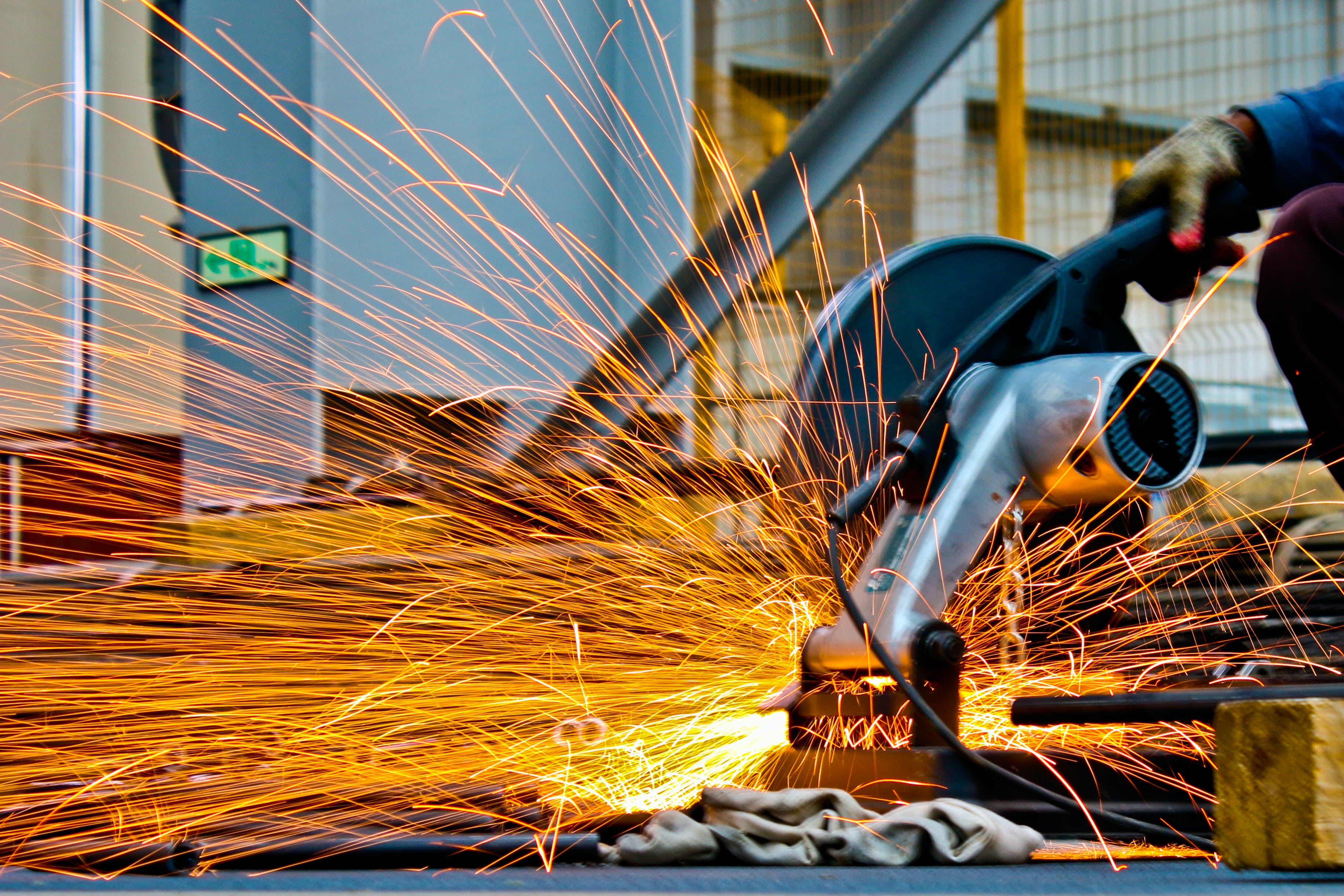
The Ultimate Step-by-Step Guide to Using the Multifunctional Automatic Portable Cutting Machine

Are you a beginner looking for a reliable and efficient cutting machine? Look no further! In this guide, we will walk you through step-by-step instructions on how to use the Multifunctional Automatic Portable Cutting Machine. Whether you’re a DIY enthusiast or a professional, this versatile tool is guaranteed to make your cutting tasks easier and more precise.

Step 1: Familiarize Yourself with the Machine

Before diving into your first project, spend some time getting to know your Multifunctional Automatic Portable Cutting Machine. Familiarize yourself with the various components, such as the cutting blade, the power switch, and the adjustment knobs. Understanding the machine’s features will help you navigate through the subsequent steps with ease.

Step 2: Set Up the Machine

Ensure a stable working environment by placing the cutting machine on a sturdy and flat surface. Verify that it is securely fastened in place, so it remains steady throughout the cutting process.

Step 3: Choose the Right Blade

Different materials require different cutting blades. Assess the material you wish to cut and select the appropriate blade accordingly. The Multifunctional Automatic Portable Cutting Machine usually comes with a variety of blades suitable for various materials like wood, plastic, and metal. Consult the manufacturer’s manual or refer to their website for guidance on blade selection.

Step 4: Adjust the Cutting Depth

Adjusting the cutting depth is crucial to achieve precision cuts without damaging the material. Refer to the machine’s manual and use the provided adjustment knobs to set the desired cutting depth. Start with a shallow depth and gradually increase it as needed.

Step 5: Safety First

Before proceeding with any cutting operation, prioritize safety measures. Wear protective goggles, gloves, and a mask to safeguard yourself from potential debris and dust. Familiarize yourself with the safety features of the machine, such as blade guards and emergency stop buttons. Always unplug the machine when not in use or during blade changes.

Step 6: Secure the Material

Secure the material you intend to cut in place. Use clamps or any other suitable method to ensure it remains steady throughout the cutting process. This will help avoid potential accidents and ensure cleaner cuts.

Step 7: Power Up the Machine

Once everything is set up and secure, plug in the Multifunctional Automatic Portable Cutting Machine and turn it on using the power switch. Familiarize yourself with the different speed settings available and choose the appropriate one for your material.

Step 8: Begin Cutting

With the machine powered on, firmly hold the handles and guide the cutting blade along the intended cutting path. Move the machine steadily and let the blade do the work. Avoid applying excessive force, as it may lead to inaccuracies or blade damage.

Step 9: Finishing Touches

Once the cutting is complete, carefully switch off the machine and unplug it from the power source. Remove any clamps or securing devices from the material. Inspect the cut edges and make any necessary touch-ups for a flawless result.

Congratulations! You have successfully completed your first cutting project using the Multifunctional Automatic Portable Cutting Machine. Remember to clean and maintain your machine regularly to ensure its longevity and optimal performance.

Please refer to the machine’s manual or contact the manufacturer for any specific troubleshooting or advanced usage instructions.

Happy cutting and best of luck with your future projects!

Comparing and Contrasting Electric Dough Rolling Machines, Pasta Dough Rolling Machines, and Pizza Dough Rolling Machines

When it comes to preparing dough for your favorite culinary creations, having the right equipment is of utmost importance. In this article, we will delve into the world of dough rolling machines, specifically focusing on electric dough rolling machines, pasta dough rolling machines, and pizza dough rolling machines. By exploring their features, advantages, and limitations, we aim to help you make an informed decision for your dough preparation needs.

Electric Dough Rolling Machines

Electric dough rolling machines are a convenient option for those who value efficiency and time-saving features. These machines are powered by electricity, allowing for quick and effortless dough rolling. With their adjustable settings, you can easily control the thickness and consistency of your dough, ensuring consistent results every time. Electric dough rolling machines are versatile and can be used not only for pizza and pasta dough but also for preparing various types of flatbreads and pastries.

Pasta Dough Rolling Machines

Pasta lovers rejoice! Pasta dough rolling machines are specifically designed to cater to your pasta-making endeavors. These machines come with a variety of attachments, allowing you to roll and cut different types of pasta with precision. From spaghetti and fettuccine to ravioli and lasagna sheets, you can create a wide range of pasta shapes effortlessly. Pasta dough rolling machines give you the freedom to experiment and unleash your creativity in the kitchen.

Pizza Dough Rolling Machines

For pizza enthusiasts, pizza dough rolling machines offer a convenient solution to achieve consistent and perfectly rolled pizza dough. These machines are designed to handle the demanding task of rolling out pizza dough with ease. With adjustable settings, you can achieve the desired thickness and size for your pizza crust. Pizza dough rolling machines are especially useful for commercial settings such as pizzerias or restaurants where large quantities of dough need to be rolled out quickly and efficiently.

Sheet for Rolling Dough and Rolling Pin for Dough

While dough rolling machines offer convenience and efficiency, traditional methods like using a sheet for rolling dough or a rolling pin for dough still have their place in the kitchen. Sheets for rolling dough provide a flat surface for rolling out the dough manually, allowing you to control the thickness and size as per your preference. Rolling pins, on the other hand, offer a hands-on approach and give you a tactile connection with the dough. Both these methods require some practice and skill but can be highly satisfying for those who enjoy the process of handcrafting their dough.

Conclusion

In conclusion, whether you opt for an electric dough rolling machine, pasta dough rolling machine, or pizza dough rolling machine, each has its own advantages and caters to specific needs. Electric dough rolling machines offer speed and convenience, while pasta dough rolling machines and pizza dough rolling machines are specialized for their respective purposes. Don’t underestimate the satisfaction and precision that can come from rolling dough manually with a sheet or rolling pin. Ultimately, the choice boils down to your personal preferences, the volume of dough you need to work with, and the level of control you want over the process. Happy dough rolling and culinary adventures!

Tags