头部背景图片

Characteristic Composition And Working Principle Of Multihead Weigher

2024-07-25

Multihead weigher

Source of multihead weigher

In the 1970s, the Japanese Agricultural Association asked weighing companies to weigh green peppers. In Japan, green pepper is usually packaged in bags in the form of quantitative packaging in supermarkets, if each bag of green pepper quantitative value is 120 grams, it is very difficult to fill 120 grams. As a single green pepper weight is heavier, and the difference is larger, less related to the interests of consumers, more related to the cost of the enterprise. The traditional way is manual weighing, that is, weighing on a static electronic scale, add up to 115 grams of green pepper one by one, and then it is almost impossible to find a 5 grams of green pepper to add, you must take a smaller green pepper from 115 grams, and add another larger green pepper. If the weight is much more than 120 grams or less than 120 grams, the above work needs to be repeated, so the weighing efficiency is very low, and it is difficult to achieve close to the target weight (quantitative value) results. After a lot of investigation and research, the technical personnel successfully solved the weighing problem of green pepper by using the combination weighing principle. Some large food enterprises will be its designated equipment.

Composition of multihead weigher

The basic composition of the combined scale is: main vibration plate, main vibration machine, line vibration plate, line vibration machine, hopper, weighing bucket, chute, hopper (optional), stepping motor, driving board, module conversion device, main control board.

Working principle of multihead weigher

1. The material is sent to the storage hopper by the material conveyor. When the material is added to the pre-set horizontal position, the electronic eye on the side of the storage hopper detects and sends out a signal to make the conveyor stop feeding until the material level on the storage hopper drops to the preset horizontal position, and then the electronic eye sends out the feed signal;

2.The material in the storage hopper, through the vibration of the main vibration machine to make the material from the main vibration plate evenly into the line vibration plate, to feed the line vibration plate;

3.The vibration of the line vibrator causes the material to be discharged from the line vibrator and into the hopper for storage;

4.When the weighing bucket completes the last weighing and emptying, the upper hopper is opened to make the material enter the weighing bucket for weighing. The output signal is transmitted to the motherboard of the control device through the lead wire. The CPU on the motherboard reads and records the weight of each weighing bucket, and then selects the combination weighing bucket closest to the target weight through calculation, analysis and combination.

5.When the feeding signal is allowed, the CPU issues a command to start the driver to open the selected weighing bucket, the material is sent through the chute into the hopper or directly into the packaging machine, and the feeding signal has been sent to the packaging machine to complete the weighting packaging system.
 

The Revolution of Multihead Weighers in the Food Packaging Industry

2024-07-25

In the world of food packaging, accuracy, speed, and efficiency are crucial elements for success. To meet these demands, the industry has witnessed the rise of a remarkable technology called the Multihead Weigher. It has revolutionized the way products are weighed and packaged, offering unparalleled precision and productivity. In this blog post, we will delve into the workings of multihead weighers and explore their impact on the food packaging industry.

What is a Multihead Weigher?

A Multihead Weigher is a cutting-edge weighing system that employs advanced technology to accurately measure and distribute a wide variety of food products. It consists of several independent weighing heads, each equipped with its own load cell. These heads work together in synchronization, allowing for high-speed weighing and packaging operations.

How does it work?

The multihead weigher operates through a three-step process: weighing, calculation, and distribution. First, the product is fed into the multihead weigher, where it is divided into individual portions by the weighing heads. Each head simultaneously measures the weight of its designated portion using load cells and sends the data to a central processing unit.

Next, the central processing unit calculates the optimal combination of portions to achieve the desired target weight. It configures the distribution paths to ensure the accurate allocation of portions, taking into account factors such as the characteristics of the product and the packaging requirements.

Finally, the calculated portions are distributed to the packaging machine, which fills the individual packages rapidly and precisely. This seamless process ensures that each package contains the correct weight, minimizing product giveaway and maximizing efficiency.

Advantages of Multihead Weighers:

Precision: Multihead weighers are renowned for their exceptional accuracy, even with complex products like mixed nuts, snacks, or frozen foods. This accuracy results in consistent product quality and customer satisfaction.

Efficiency: With their high-speed weighing capabilities, multihead weighers significantly increase productivity. They can handle large volumes of product, reducing production time and labor costs.

Versatility: Multihead weighers are adaptable to various food product types, sizes, and shapes. They can handle both dry and wet products, making them suitable for a wide range of applications in the food packaging industry.

Hygiene and Food Safety: Multihead weighers are designed with food safety in mind. They feature smooth surfaces and removable parts for easy cleaning, promoting hygiene standards and reducing the risk of contamination.

Impacts on the Food Packaging Industry:

The integration of multihead weighers has had a transformative effect on the food packaging industry. It has brought about increased operational efficiency, improved packaging quality, and reduced product waste. The precise weighing and distribution capabilities of multihead weighers have also enabled manufacturers to meet stringent regulatory requirements and maintain compliance with industry standards.

Furthermore, the automation and speed provided by multihead weighers have facilitated streamlined production processes. This has allowed companies to scale their operations, penetrate new markets, and meet the growing demand for packaged food products.

Conclusion:

The advent of multihead weighers has revolutionized the food packaging industry, offering unparalleled accuracy, efficiency, and versatility. As technology continues to advance, we can expect further enhancements in multihead weighers' capabilities, enabling manufacturers to meet evolving consumer demands and achieve greater success in the competitive market.

Whether it's ensuring the consistent weight of a bag of chips or accurately portioning delicate confectionery treats, multihead weighers will continue to play a crucial role in the future of food packaging.


SEM vs TEM Unveiling the Microscopic World

In microscopic imaging, two dominant techniques have revolutionized our understanding of the complexity of the nanoworld: scanning electron microscopy (SEM) and transmission electron microscopy (TEM). These powerful tools have opened up new avenues for a variety of scientific disciplines, allowing researchers to delve into the composition, structure, and behavior of a wide range of materials.

We compare and contrast scanning electron microscopy (SEM) and electron microscopy (TEM) by highlighting their respective unique capabilities, applications, and limitations.


1. Scanning Electron Microscopy (SEM):

A scanning electron microscope utilizes an electron beam to scan the surface of a specimen, providing a highly detailed three-dimensional image. The main advantage of SEM is the ability to capture surface morphology from the sub-micron to the nanometer scale with extremely high resolution. By detecting secondary electrons emitted when the beam interacts with the specimen surface, SEM generates topographic images that show surface features, textures, and patterns.


A significant advantage of the SEM is its versatility in elemental analysis using Energy Dispersive X-ray Spectroscopy (EDS). The ability of EDS to identify and map the elements present in a specimen makes the SEM an invaluable tool for materials characterization, forensic analysis, and quality control in a variety of industries.


2. Transmission Electron Microscopy (TEM):

In a TEM, a focused electron beam illuminates a thin section of a specimen, causing electrons to pass through the material. The transmitted electron beam is magnified and focused onto a fluorescent screen or digital camera, producing a high-resolution image of the internal structure of the specimen.


TEM is uniquely suited to study lattice structures, crystal defects, and interfaces between different materials because it provides atomic-level resolution. The ability to examine specimens at such high resolution has led to groundbreaking discoveries in fields such as materials science, nanotechnology and biology. In addition, the TEM can be used for elemental analysis through techniques such as Electron Energy Loss Spectroscopy (EELS) and Selected Area Electron Diffraction (SAED).


3. SEM vs TEM Comparison and Applications:

While both SEM and TEM provide indispensable insight into the microscopic world, they differ in several key ways. Scanning electron microscopes specialize in surface imaging, providing a detailed view of a sample's topography, while TEMs offer higher resolution, revealing a material's internal structure.


Scanning electron microscopy has a wide range of applications, including materials science, geology, archaeology, and biological sciences. It can examine a wide variety of samples such as metals, ceramics, polymers, cells, and tissues, facilitating materials engineering, forensic analysis, and biomedical research.


On the other hand, TEM plays a vital role in the study of nanoparticles, biomolecules, and semiconductor devices. It enables the visualization of atomic structures, the determination of crystallographic orientations, and the study of interfacial properties.TEM plays an important role in the development of nanomaterials, catalysts, and pharmaceuticals, contributing to advances in fields such as nanoelectronics, drug delivery systems, and renewable energy technologies.


4. SEM vs TEM Limitations and Future Developments:

Despite their superior capabilities, SEM and TEM have their limitations. Sample preparation is a critical aspect of both techniques, and TEM requires extremely thin slices of the sample. In addition, both instruments are expensive and require skilled operators to maximize their potential.


Both SEM and TEM techniques have advanced significantly in recent years. Field emission scanning electron microscopy and aberration-corrected TEM have pushed the limits of resolution, allowing researchers to observe finer details. In addition, the development of in situ microscopy techniques has enabled real-time observation of dynamic processes at the nanoscale.


SEM and TEM have revolutionized our ability to explore the microscopic world; SEM excels at surface imaging and elemental analysis, while TEM provides unparalleled atomic-scale resolution and enables the study of internal structure. Together, these technologies continue to drive breakthrough research across disciplines and push our understanding of the nanoworld forward. As technology advances, it is expected that SEM and TEM will be further developed and refined, opening up new avenues for future research and innovation.


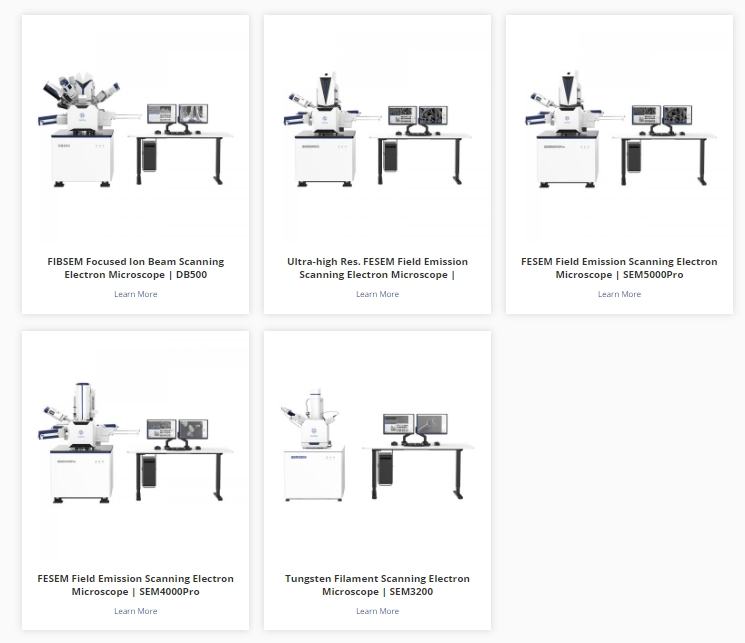
CIQTEK is a manufacturer and global supplier of scanning electron microscopes with leading technology in the industry. They offer a wide range of advanced, well-serviced, and affordable microscopes including FESEMFIB-SEMTungsten Filament SEM, etc. CIQTEK has over 1000+ customers around the world.

>> Website: www.ciqtekglobal.com

>> Email: info@ciqtek.com

ciqtek sem microscopes

How to solve glue gun leakage

2024-07-18

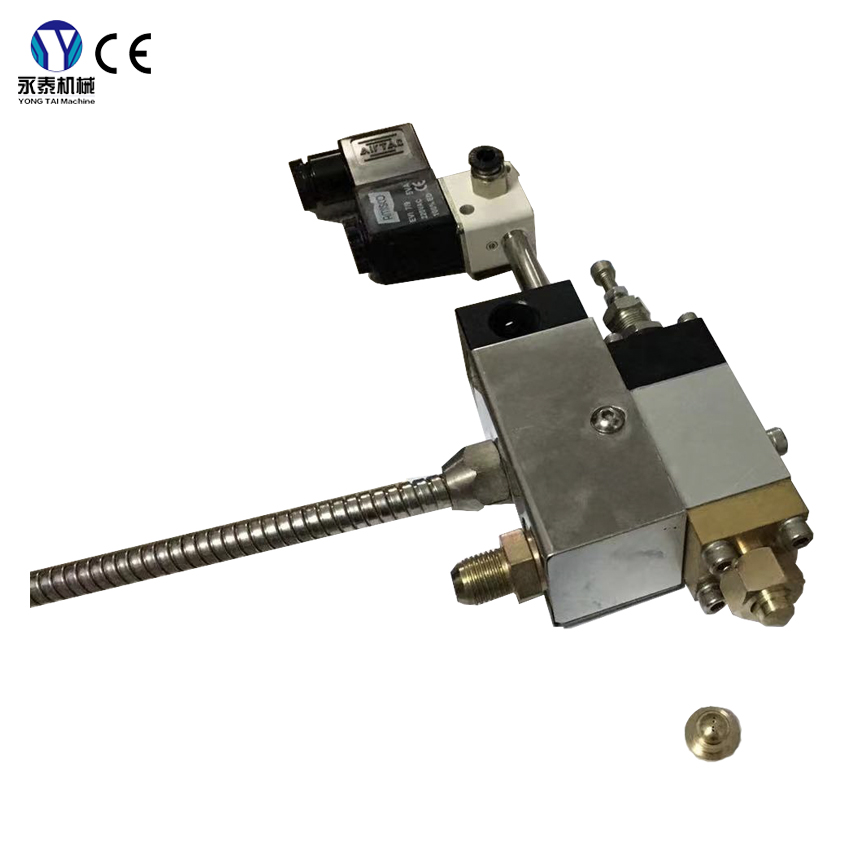
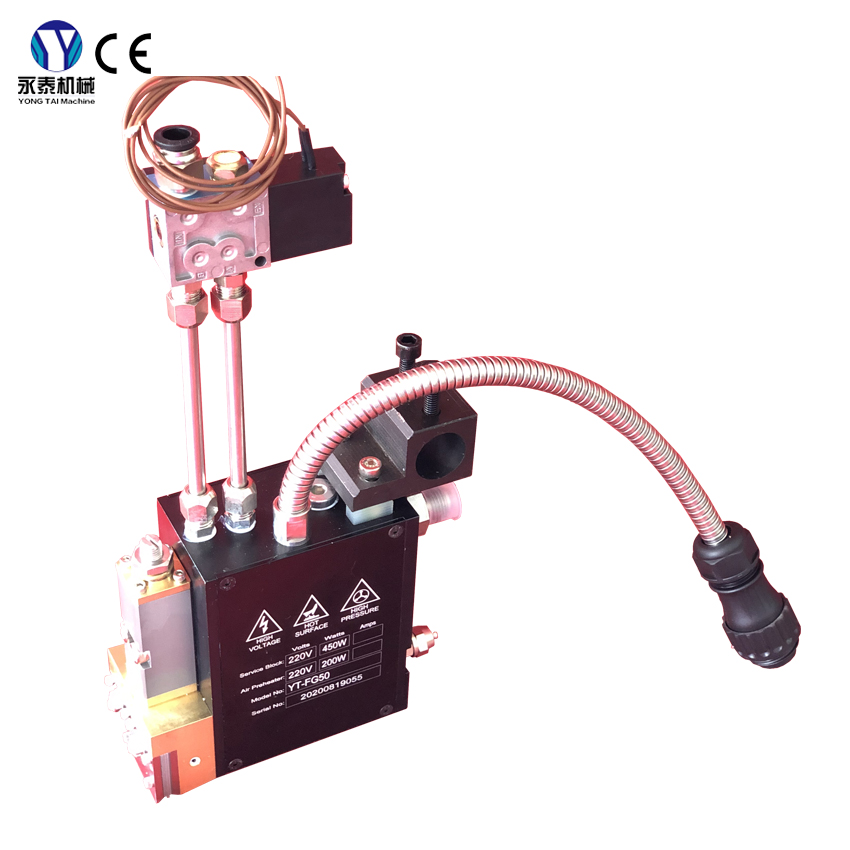
1. Glue leakage at the Hot melt gluing nozzle 

If glue leaks from the nozzle during glue spraying, the possible reasons are as follows:

a. The temperature of the glue gun is not enough. The temperature of the hot melt glue gun should be increased appropriately.

b. If the pressure or flow rate of the air jet is too small, glue will drip from the nozzle. Increase the pressure of the air blowing pipe appropriately.

c. If the air passage in the nozzle is blocked, remove the nozzle module and clean it.


2. If glue leaks from the nozzle when the machine is not spraying glue, the possible reasons are as follows:

a. The thimble does not completely close the glue channel, and it is necessary to increase the pressure on the air channel of the solenoid valve of the glue gun.

b. The ejector pin is damaged and needs to be replaced.

c. The ejector pin and the outlet of the glue channel do not cooperate well. Adjust the fine-tuning bolt on the ejector pin to press down on the ejector pin and then loosen the bolt. Manually operate the solenoid valve on the glue gun several times.


3. The small hole in the middle of the needle valve leaks glue.

a. The sealing ring underneath the needle valve needs to be replaced.

hot glue fiber nozzle


hot glue spraying gun

hot glue machine

Why should we clean pur hot melt hose regularly?(1)

2024-07-18

Generally, after half a year or a year of use, the glue pipeline of the PUR hot melt adhesive machine needs to be cleaned and maintained.


What are the advantages of regular maintenance?


It can increase the fluidity of glue and improve the glue effect.


1. Ensure the quality of PUR hot melt adhesive


Clean pipes can prevent PUR hot melt adhesive from remaining, solidifying or deteriorating in the pipes, ensuring that the PUR hot melt adhesive is fresh every time it is used. This is particularly important for application scenarios that require high-precision bonding to ensure the stability of product quality.


2. Improve production efficiency


Pipe cleaning can avoid production interruptions due to blockages and reduce downtime. The smooth glue feeding process can ensure the continuous operation of the production line and improve production efficiency.


3. Extend equipment life


Residue in pipes can cause corrosion or wear on the inner walls of pipes, and regular cleaning can reduce this damage. Well-maintained equipment generally has a longer service life, reducing equipment replacement costs.


4. Reduce failure rate and maintenance costs


Duct cleaning can reduce equipment downtime caused by blockages, leaks, and other failures. Reducing failure rates can reduce maintenance costs and improve equipment utilization.


5. Reduce security risks


Residue or blockage in pipes can cause equipment overheating, leakage, and other safety hazards. Through regular cleaning, these risks can be reduced and production safety ensured.


pur glue machine

pur hot adhesive machine

hot gluing machine


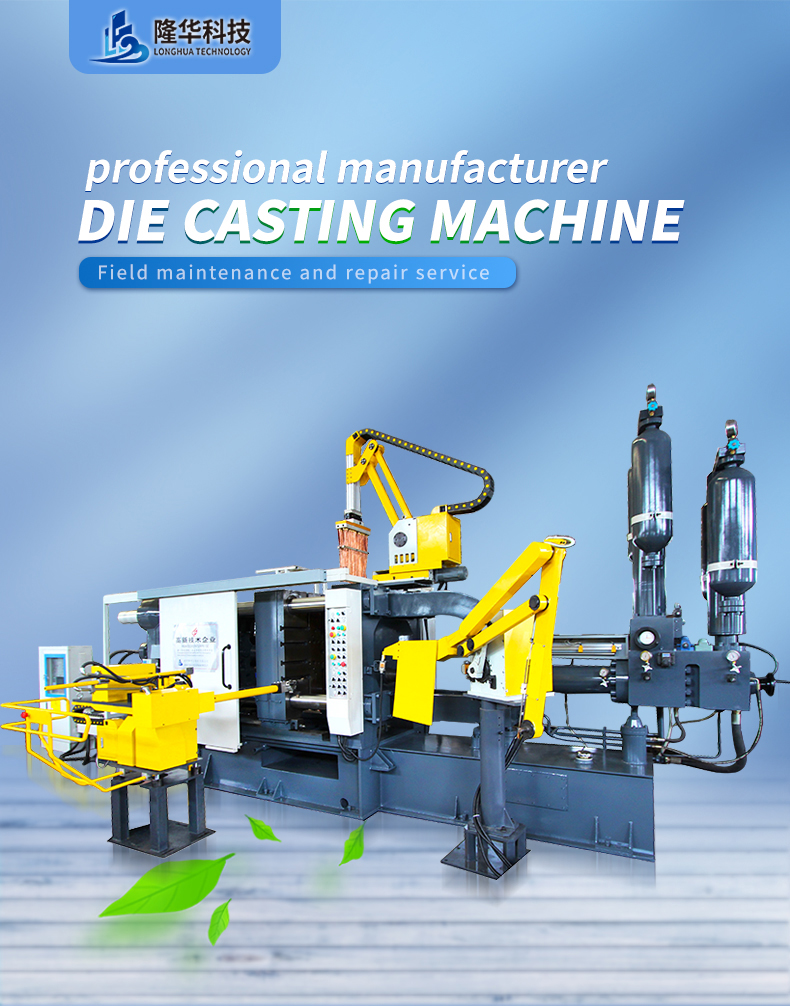
Die casting automatic production line is introduced in detail

2024-07-18

Die casting machine is used for pressure casting machine, including hot chamber and cold chamber two kinds. After are divided into straight and horizontal two types. Die casting machine under the action of pressure to the molten metal hydraulic injection mold cooling molding, after opening the mold can get solid metal castings, such as aluminum alloy, zinc alloy, lead alloy die casting.

The closing mechanism of hot chamber die casting machine is the same as that of cold chamber die casting machinethe difference lies in the different injection and pouring mechanism. The chamber of the hot chamber die casting machine is closely connected with the furnace as a whole, while the chamber of the cold chamber die casting machine is separated from the furnace.

Die casting machine peripheral automation equipment including: conveyor belt, safety fence, platform, pressure machine, mold temperature machine, marking machine, trimming machine, cooling device, quick change die device, exhaust filter dust removal device, auto extractor system, servo sprayer,servo ladle machine, quantitative thermal machine, melting and holding furnace, rely on the equipment to realize the automatic die casting production line.

Longhua AI die casting machine

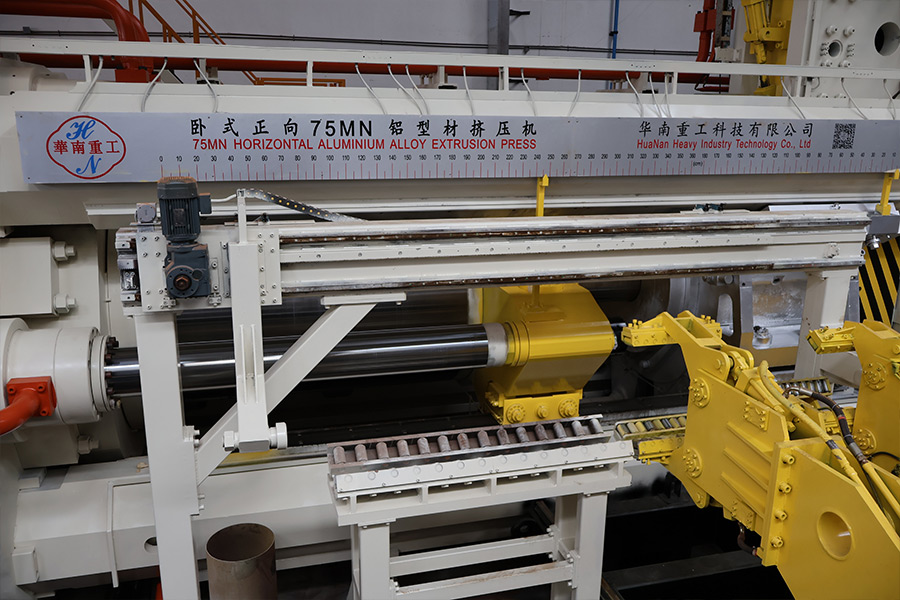
What are the advantages of 7500T hydraulic Aluminum extrusion machine?

2024-07-16

Aluminum extrusion machine

The 75MN horizontal short-stroke front-loading single-action aluminum alloy profile extrusion machine adopts a horizontal three-beam and four-column prestressed composite frame structure, a forward extrusion method, direct drive by an oil pump, and is equipped with advanced foreign electromechanical and hydraulic control components and systems, and The complete set of mechanized auxiliary equipment adopts PLC and computer two-level control to accurately control the speed, position and pressure of the press. The technology used embodies the development trend and advanced technology level of contemporary extrusion presses, and is suitable for production. Manufacturing, operation and maintenance are conducive to improving production efficiency and reducing usage costs.

Prestressed composite frame

The stress-bearing frame of the Aluminum extrusion machine body consists of an integral front beam ZG35Mn (thickness 1950mm) and a rear beam thickness 1800mm (materialZG35Mn), square prestressed sleeve (material ZG35) is a closed prestressed composite frame. Special hydraulic preloading tools are used to pull the An over-pressure tensile load is applied to the entire length of the rod, and compressive stress is applied to the pressure sleeve at the same time, so that the entire frame is in a stress pre-tightened state.The column prestress is above 115% of the maximum load.

(1) The center distance of the four stressed tie rods of the frame is symmetrical to the center of the press, so that the entire frame is stressed evenly. This can increase the squeeze

Accuracy of pressed products.

(2) Since the frame has a large bending resistance section, under the action of extrusion force, the frame elongation and bending deformation are small, so it is the frame can be fixed with horizontal and vertical guide rails at the bottom of the extrusion beam and extrusion barrel.

The centering adjustment is very convenient, and the upper frame can be used as an X-shaped moving guide rail for the extrusion barrel.

(3) There are two sets of elastic anchoring devices and foundation anchors at the lower part of the rear beam to make the rear beam fixed reliably.

Main working cylinder/side cylinder

1. The main working cylinder of aluminum extrusion press is a plunger cylinder, which is fixed to the center of the rear beam through four pressing blocks. The plunger diameter is Φ1740mm, and the medium pressure is 28Mpa. Under the action, it can produce 66.55MN extrusion force. The cylinder body is made of 20MnMo forged steel. After forging and tempering treatment in three sections, it is buried Arc narrow gap welding, processed according to GB\T6402\2008 II level flaw detection. The main plunger is made of forged steel. The outer surface Stainless steel cladding is welded to 2Cr13 with medium frequency treatment, surface hardness is HRC46~48, and polishing degree is 0.2um. V-ring used for master cylinder seal Combined seal, using copper sleeve inner guide

2. The two main side cylinders are horizontally fixed on both sides of the rear beam main working cylinder. The diameter of the side cylinder is Φ450/Φ320mm, which generates an extrusion force of 8.9MN and a return force of 4.4MN, which can realize the rapid forward, backward and extrusion of the main plunger. The cylinder block and piston rod are made of 45 forged steel quenched and tempered. The two-way seal and piston rod seal of the combined piston head adopt V-ring combined seals, and are guided by copper sleeves.

Hydraulic transmission and control system pump station

The pump station of the Aluminum extrusion press adopts an integrated design and is centrally arranged under the rear part of the oil tank of the press. It is composed of an imported German Rexroth electro-hydraulic proportional control axial piston variable pump and a Chinese-made stainless steel plate circulation filtration and cooling system. The piping system design adopts necessary buffering and anti-shock measures, such as cushioning pads, hoses or shock-absorbing hoses, and flexible rubber pipe joints that can absorb vibration. The main system consists of 10 355L/min plunger pumps and 10 320L/min vane pumps from the German REXROTH company. They are designed to be arranged and matched in a certain combination. They can generate a pressure of 28Mpa and a flow rate of 3350L/min to meet the needs of main and side work. According to the cylinder operating speed requirements, closed-loop adjustment of the extrusion speed of 0~21mm/s is achieved, and the extrusion barrel locking cylinder is matched with a dedicated oil pump. Isolation control valves are designed between each oil pump group. If the two mechanisms need to operate at the same time according to the program, they can not interfere with each other. It can realize functions such as isolation between pumps, no-load starting, pressure regulation and overload protection. The pump head electro-hydraulic proportional valve and electronic control device are imported with the main pump and connected with the press main control computer to achieve online control. The main oil cylinder, auxiliary oil cylinder, spindle cylinder, and scissor oil cylinder are integratedly controlled by logic valves. The sliding mold and supporting frame are integratedly controlled by three-position four-way electro-hydraulic reversing valves. Main hydraulic components: master cylinder reversing surface valve, overflow surface valves etc. The main control system oil pump station has a total flow rate of 3350L/min, and its oil pumps are individually controlled.

The design of each aluminum extrusion machine is to maximize the use of resources under the premise of ensuring quality, and has been in a leading position in the industry.

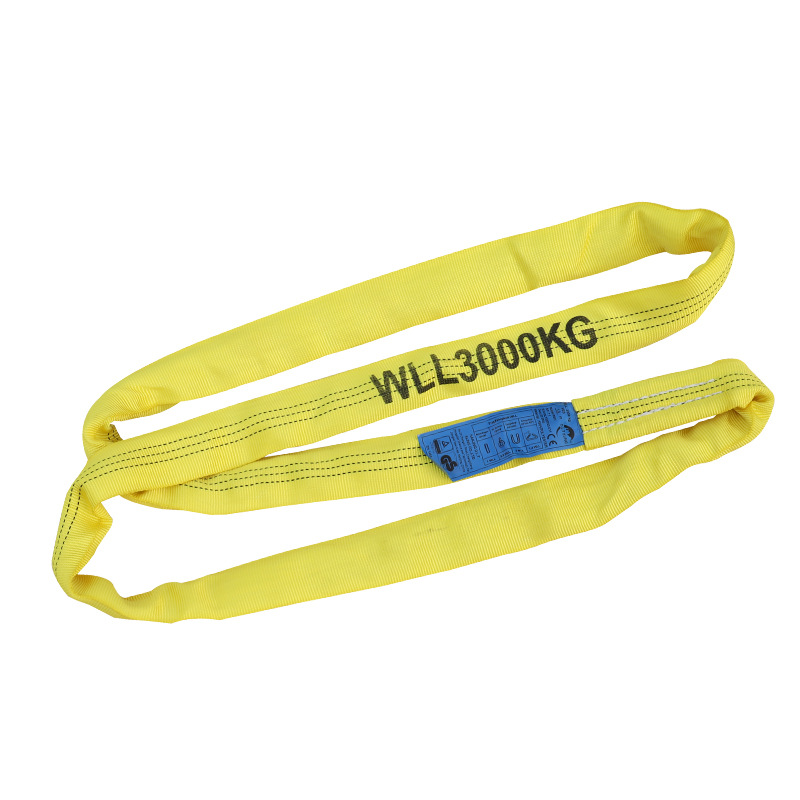
What is the difference between webbing sling and round sling?

2024-07-12

When it comes to lifting heavy loads and ensuring workplace safety, it's essential to choose the right lifting equipment. Two popular options for material handling in various industries are webbing slings and round slings. While both serve the same purpose, they have distinct characteristics that make them suitable for different applications. In this blog post, we will explore the differences between webbing slings and round slings, highlighting their unique features and common uses.

Round Slings:

Round slings, as the name suggests, are circular in shape and typically made of synthetic fibers like polyester. They feature a continuous loop construction and have no fixed endpoints, providing flexibility in load attachment points. Round slings are known for their excellent strength-to-weight ratio and versatility in handling a wide range of loads.

Key Features of Round Slings:

  Soft and non-damaging: The soft texture of round slings minimizes the risk of scratches or dents on delicate surfaces.

  High strength: Round slings are designed to withstand heavy loads and offer a high lifting capacity.

  Adaptability: The endless loop construction allows for easy adjustment of the sling length to suit different load sizes and shapes.

  Load distribution: Round slings evenly distribute the load weight, reducing the risk of damage to the load.

  Safety features: Round slings are often color-coded based on their load capacity, ensuring proper selection for each lifting task.

Common Applications of Round Slings:

   Rigging and lifting heavy machinery in industrial settings.

   Lifting and transporting construction materials.

   Offshore and maritime operations.

   Tree removal and arboriculture.

round sling

Webbing Slings:

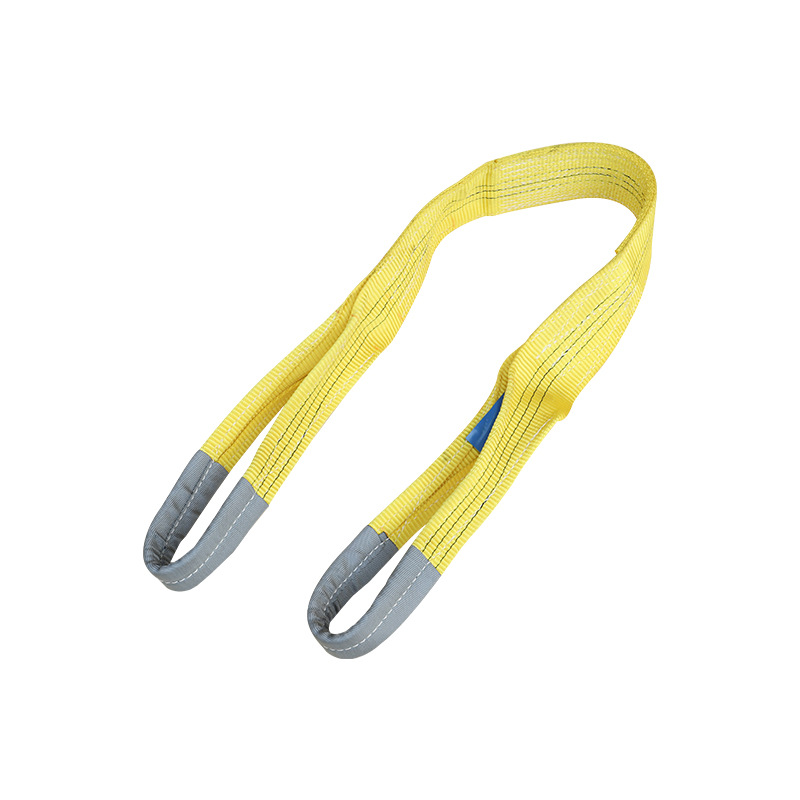
Webbing slings are made of woven polyester or nylon fibers, creating a durable and flexible lifting strap. They have a flat, ribbon-like appearance and come in various widths and load capacities. The most common types of webbing slings include flat eye, twisted eye, and endless loop configurations.

Key Features of Webbing Slings:

   Lighter weight: Compared to round slings, webbing slings tend to be lighter, making them easier to handle and transport.

   Protection against abrasion: The smooth surface of webbing slings helps minimize damage to delicate or fragile loads.

  -Cost-effective: Webbing slings are generally more affordable than round slings, making them a popular choice for light to medium-duty lifting tasks.

   Enhanced visibility: Webbing slings are often available in bright colors, enhancing visibility during lifting operations.

   Excellent flexibility: Webbing slings offer high flexibility, making them ideal for lifting irregularly shaped loads.

Common Applications of Webbing Slings:

    Lifting machinery and equipment in manufacturing and construction industries.

    Moving goods in warehouses and logistics operations.

    Hoisting materials during maintenance and repair processes. 

Webbing sling

In summary, both webbing slings and round slings serve as crucial lifting tools in a wide range of industries. While webbing slings are preferred for their flexibility, lightweight design, and cost-effectiveness, round slings excel in load distribution, strength, and adaptability. Understanding the differences between these two types of slings is essential to make an informed choice based on specific lifting requirements. Always prioritize safety and compliance with industry standards when selecting and using lifting equipment.


Boost Efficiency with Large Powder Granule Tea Packaging Machine

In the tea industry, efficient packaging machines are crucial for enhancing productivity.

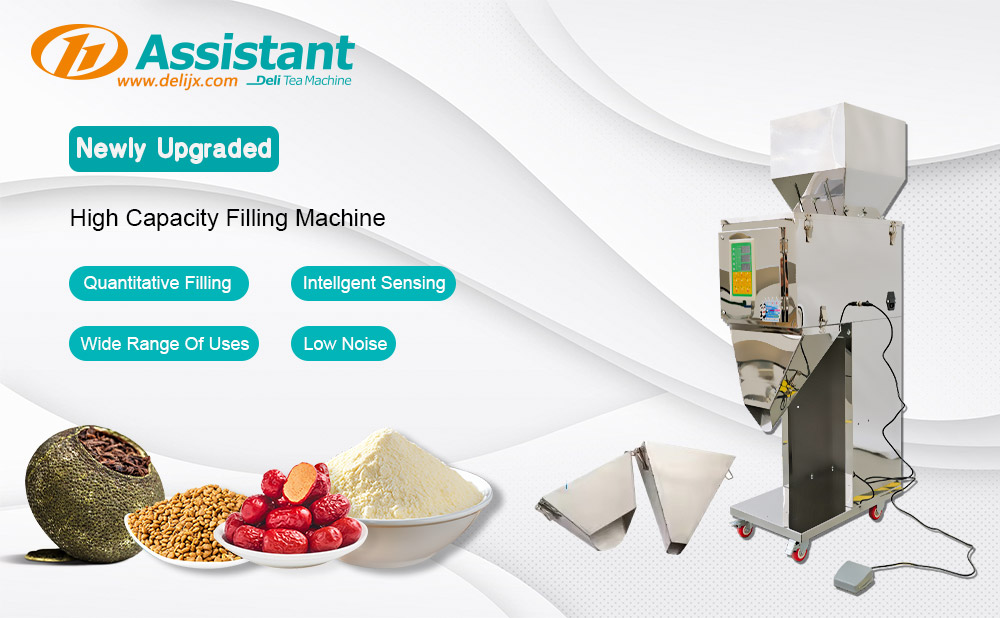
Today, we introduce a large powder granule tea packaging machine that accurately weighs 10-999 grams of tea and automates the filling process. This machine utilizes a rotary weighing filling technology, ensuring precise and reliable measurements for various tea granules.

This packaging machine boasts high automation and user-friendly operation. Simply set the desired weight range, and the machine will automatically handle the weighing and filling tasks. Moreover, it offers rapid packaging speeds, significantly improving production efficiency.

large powder granule tea packaging machine

In addition to its efficiency and accurate weighing capabilities, this machine features a compact design, occupying minimal floor space and suitable for various production environments. Constructed from high-quality materials, it guarantees durability and long-term usage, reducing maintenance costs.

Overall, this large powder granule tea packaging machine is an ideal choice for tea production companies. It not only enhances production efficiency but also ensures product quality and consistency. If you are seeking a high-performance tea packaging machine, consider this equipment as it will bring greater value and benefits to your production line.

By incorporating this advanced packaging machine, your tea production process will become more efficient and convenient, opening up new business opportunities and success for your company. Take action now to elevate your production standards and embrace a broader market!


Continuous Wave And Pulse EPR Spectroscopy

2024-06-28

EPR (Electron Paramagnetic Resonance) Spectroscopy, also known as Electron Spin Resonance (ESR) Spectroscopy, is a technique used to study the electronic structure of paramagnetic species.

There are two main types of EPR spectroscopy: Continuous Wave (CW) EPR spectroscopy and Pulsed EPR spectroscopy.


Continuous wave (CW) EPR Spectroscopy:

In continuous wave EPR spectroscopy, a microwave source continuously emits microwave radiation at a fixed frequency into the sample.

A magnetic field is swept over a range of frequencies and the absorption of the microwave radiation by the sample is measured as a function of the magnetic field strength. This produces an EPR spectrum showing the jumps between energy levels of paramagnetic species.

CW EPR spectroscopy is commonly used to study relatively slow dynamic processes and to examine stable paramagnetic species.


Pulsed EPR Spectroscopy:

Pulsed EPR spectroscopy, also known as pulsed electron-electron double resonance (ELDOR) or electron-electron resonance, utilizes short pulses of electromagnetic radiation. This technique is used to study the dynamics of paramagnetic species and their interactions with their surroundings.

Pulsed EPR spectroscopy provides more detailed information and allows the measurement of relaxation times, distances, and other dynamic parameters. It involves applying microwave pulses, often combined with radio frequency (RF) pulses, to manipulate the electron spin state and measure the resulting signal.

Pulsed EPR techniques include Electron Spin Echo (ESE), Electron Nuclear Dual Resonance (ENDOR), Electron Spin Echo Envelope Modulation (ESEEM), and others.

Pulsed EPR spectroscopy is particularly well suited for the study of transient species, radical reactions, and spin-spin interactions in paramagnetic systems.


Both CW EPR and pulsed EPR spectroscopy have their advantages and applications, depending on the specific research objectives and the properties of the paramagnetic species under study.


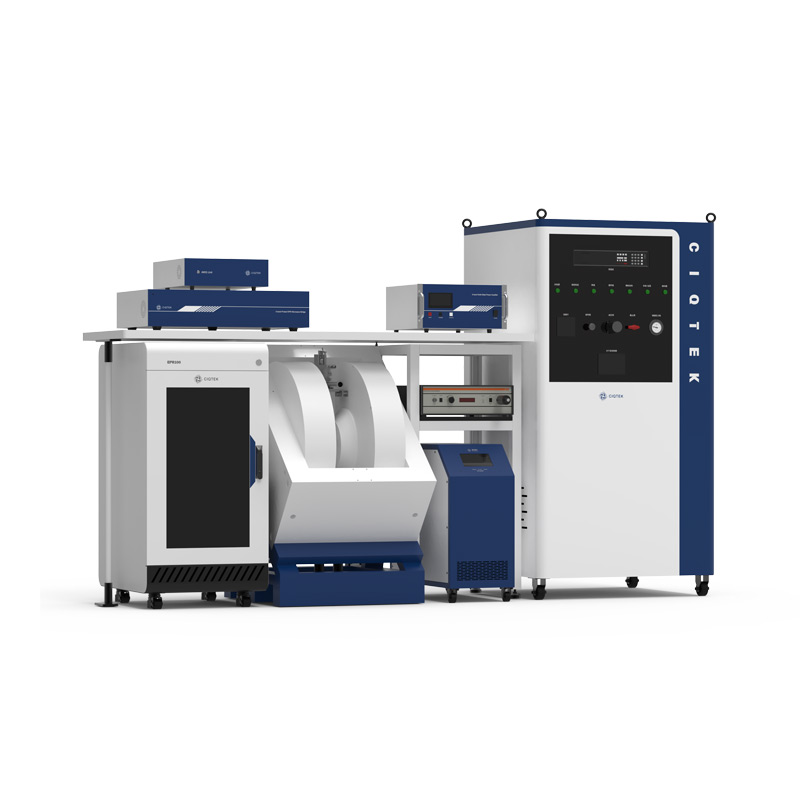
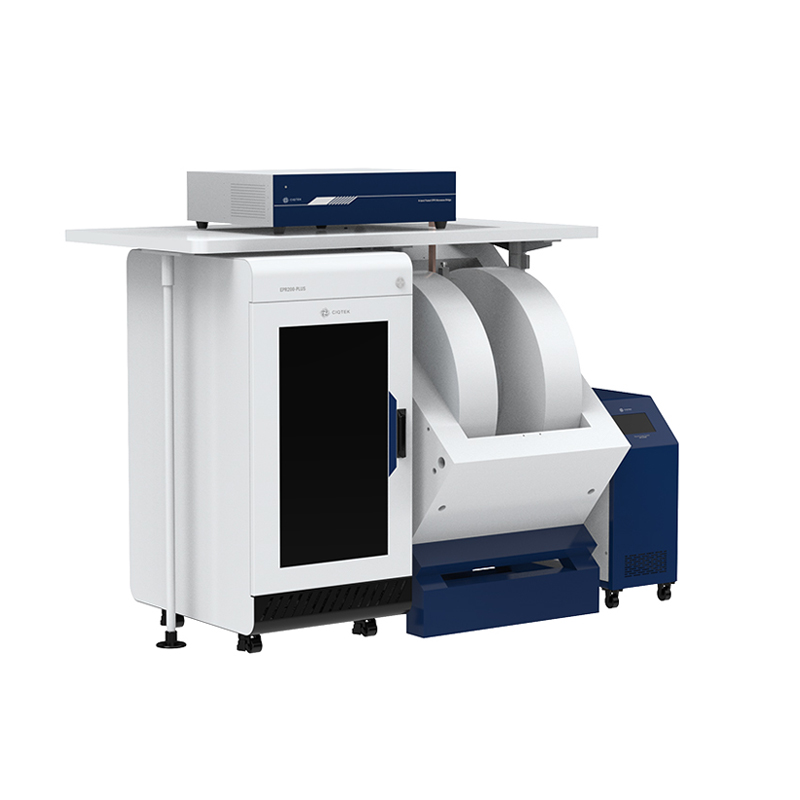
CIQTEK offers X-Band Pulse EPR Spectroscopy | EPR100 and X-Band CW-EPR Spectroscopy | EPR200-Plus

X-Band Pulse EPR SpectroscopyX-Band CW-EPR Spectroscopy

Tags