As heavy construction projects demand greater precision, efficiency, and intelligent operation, excavator control technology is evolving. Traditional hydraulic pilot controls are increasingly being complemented by electro-hydraulic systems, offering more flexible control, improved responsiveness, and easier integration with advanced machine technologies. So, what makes electro-hydraulic controls an important development in modern heavy excavators, and how do they improve real-world operations?
1. Quick Answer: Why Are Electro-Hydraulic Controls Becoming Standard in Heavy Excavators?
Electro-hydraulic control systems are transforming how modern heavy excavators operate by replacing traditional hydraulic pilot signals with electronic control inputs. Instead of relying on low-pressure hydraulic oil to transmit joystick commands, an electro-hydraulic system uses electronic sensors to detect operator input and sends signals to a central controller, which then regulates electro-hydraulic valves to control hydraulic functions. This change gives manufacturers greater flexibility to fine-tune machine responses, improve operating precision and integrate advanced technologies.
For modern excavators, the benefits extend beyond smoother joystick operation. Electro-hydraulic controls provide a digital foundation for features such as machine guidance, semi-automated grade control, virtual fencing and intelligent lift assistance. These capabilities can help operators perform complex tasks more consistently, reduce unnecessary movements and improve job-site efficiency. They also make it easier to customize operating modes and integrate future software-based functions. As construction projects increasingly demand higher precision, productivity and smarter equipment, Electro-Hydraulic Control Systems are becoming an important technology in the development of modern Electric Excavators and heavy excavator platforms. However, electro-hydraulic control describes the machine's control architecture, not necessarily its power source: diesel-powered excavators can use this technology too.
2. Key Takeaways
Smarter Control: Electro-hydraulic systems convert joystick inputs into electronic signals, enabling more flexible and precise control of excavator movements.
Key Technical Difference: Unlike traditional hydraulic pilot controls, they use electronic controllers to regulate hydraulic functions.
Practical Benefits: They can improve operating responsiveness, simplify control customization and support more efficient job-site operations.
Easier Technology Integration: Their electronic architecture provides a foundation for machine guidance, semi-automated functions and future excavator automation.
Maintenance Considerations: Electronic diagnostics can help identify system faults, although proper technical support remains essential.
3. What Are Electro-Hydraulic Control Systems in Heavy Excavators?
Electro-hydraulic control systems combine electronic signal processing with hydraulic power to manage excavator movements. Unlike traditional hydraulic pilot controls, which transmit joystick commands through pressurized pilot oil, these systems use electronic inputs to regulate hydraulic functions. They allow machine manufacturers to adjust control responses through software and integrate additional intelligent operating features.
A typical electro-hydraulic control system consists of several key components. Electronic joysticks detect the operator's commands, while sensors monitor operating inputs and relevant machine conditions. A central electronic controller processes this information according to programmed control logic. It then sends electrical signals to electro-hydraulic proportional valves or solenoid-operated valves, which regulate hydraulic oil flow and pressure to control functions such as boom lifting, arm movement, bucket operation and upper-structure rotation. The hydraulic pump supplies the power required to perform these movements.
The basic process follows a clear sequence: the operator moves a joystick, sensors convert the movement into electrical signals, the controller processes the input, and the corresponding valve adjusts hydraulic flow to produce the requested machine movement. This separation of electronic command processing from hydraulic power transmission provides greater flexibility in control calibration and system integration.
It is also important to distinguish electro-hydraulic control from fully electric drive technology. Electro-hydraulic control describes how machine functions are controlled, not how the machine is powered. A diesel-powered excavator can use an electro-hydraulic control system while still relying on a diesel engine and hydraulic pump for power. By contrast, a fully electric excavator uses an electric motor and battery system as its primary power source.
4. Electro-Hydraulic vs. Traditional Pilot Controls: What Has Changed?
Traditional hydraulic pilot controls and modern electro-hydraulic control systems use different methods to transmit operator commands, although both ultimately rely on hydraulic power to move the excavator's working equipment.
In a traditional pilot control system, the operator moves a mechanical joystick, which operates a pilot valve. Pressurized pilot oil is then directed through hydraulic lines to the main control valve, causing its spool to shift and regulate the flow of hydraulic oil to the actuators. This design has been widely used in conventional excavators because of its relatively straightforward structure and established maintenance practices.
Modern electro-hydraulic control systems replace this hydraulic signal transmission with electronic command processing. Electronic joysticks generate electrical signals based on operator input, and an electronic controller processes these signals before commanding electro-hydraulic valves. This architecture allows manufacturers to adjust response characteristics through software, customize operating modes and integrate advanced machine control functions.
The main differences involve control structure, flexibility, precision and maintenance. Electro-hydraulic systems offer greater potential for fine-tuning movement responses and coordinating multiple functions. They also provide a more convenient foundation for integrating machine guidance and automation technologies. However, their performance depends on sensor accuracy, controller programming, hydraulic component quality and system calibration. Traditional pilot systems, meanwhile, remain valued for their proven reliability and relatively familiar troubleshooting procedures.
So, which system is better for heavy excavators? There is no universal answer. Electro-hydraulic controls are particularly suitable for machines requiring advanced control customization, intelligent functions and future technology integration. Traditional hydraulic pilot controls remain practical for applications where straightforward operation, established maintenance procedures and lower system complexity are priorities. Ultimately, buyers should evaluate the machine's working conditions, technical configuration, maintenance capabilities and total ownership costs rather than choosing based on control technology alone.
5. Why Electro-Hydraulic Controls Are Becoming the New Standard
The growing adoption of electro-hydraulic control systems in heavy excavators is driven by the demand for greater operating precision, improved productivity and smarter machine functionality. By combining electronic signal processing with hydraulic power, these systems give manufacturers more control over how excavators respond to operator commands and interact with advanced technologies.
5.1 More Precise and Responsive Excavator Operations
Electro-hydraulic controls allow electronic controllers to adjust valve responses according to operator inputs and programmed control strategies. This provides greater flexibility in controlling hydraulic flow and coordinating machine movements. For tasks such as trenching, grading and fine material handling, properly calibrated systems can help operators achieve smoother and more predictable movements. Actual precision depends on the machine's hydraulic configuration, sensors and control calibration.
5.2 Smoother Joystick Control and Improved Operator Comfort
Electronic joysticks can be configured with different response characteristics to match operator preferences and working conditions. Manufacturers can adjust joystick sensitivity, response curves and operating modes through the control system. This helps create a more consistent operating experience and may reduce unnecessary hand movements during repetitive tasks. Combined with suitable cab ergonomics, these features can improve operator comfort during long working shifts.
5.3 Better Integration with Intelligent Machine Guidance Systems
One major advantage of electronic control architecture is its ability to communicate with other digital machine systems. Depending on the excavator configuration, electro-hydraulic controls can support integration with 2D/3D machine guidance, grade control, positioning sensors and attachment control systems. Operators can use this information to complete digging tasks more accurately and maintain closer control over working parameters.
5.4 Improved Operational Efficiency and Reduced Unnecessary Movements
More flexible control strategies can help coordinate multiple hydraulic functions and optimize machine responses. For example, during combined boom, arm and bucket movements, a well-designed system can provide smoother operation and more predictable control. Reducing unnecessary corrections and repeated movements may improve work efficiency, although actual productivity gains depend on operator skills, machine specifications and job-site conditions.
5.5 Easier Customization of Control Settings and Operating Modes
Unlike conventional systems that rely more heavily on mechanical and hydraulic adjustments, electro-hydraulic systems can offer software-based customization. Manufacturers may provide different operating modes for precision work, heavy-duty digging or fuel-conscious operation. This allows the same excavator to adapt more effectively to different applications without requiring extensive hardware modifications.
5.6 Greater Potential for Automated Functions and Future Upgrades
Electro-hydraulic control provides an important foundation for advanced excavator technologies, including semi-automated grading, virtual fencing, intelligent lift assistance and other machine automation features. Its electronic architecture also makes software updates and future system integration more practical. As construction equipment continues to develop toward greater connectivity and automation, this flexibility is becoming an increasingly important consideration when selecting modern heavy excavators.
6. Real-World Applications: Where Do Electro-Hydraulic Controls Make a Difference?
Electro-hydraulic control systems offer practical benefits across a wide range of heavy excavator applications, particularly where precise movements, coordinated hydraulic functions and flexible machine control are required.
6.1 Precision Earthmoving and Trenching
In trenching, grading and foundation excavation, accurate control of the boom, arm and bucket is essential. Electro-hydraulic systems allow manufacturers to fine-tune machine responses, helping operators perform controlled movements and achieve more consistent digging results, especially when combined with machine guidance technology.
6.2 Heavy Lifting and Material Handling
During lifting operations, stable and predictable hydraulic responses are important for handling heavy loads. Depending on the machine configuration, electro-hydraulic controls can support intelligent lift assistance and coordinated movements, helping operators manage lifting tasks with greater control.
6.3 Mining and Large-Scale Construction Projects
Mining, quarrying and major infrastructure projects often involve demanding working conditions and repetitive heavy-duty operations. Customizable control settings can help adapt excavator responses to different tasks, while electronic monitoring and diagnostics support equipment management.
6.4 Complex Operations Requiring Multiple Attachments
Modern heavy excavators frequently use hydraulic breakers, grapples, shears and other specialized attachments. Electro-hydraulic control systems can simplify attachment integration and provide more flexible control settings. When properly configured, they help operators switch between different applications and manage multiple hydraulic functions more effectively.
7. What Should Buyers Consider Before Choosing an Electric Excavator?
Choosing an excavator equipped with an electro-hydraulic control system requires more than comparing technical specifications. Buyers should evaluate how the control technology matches their actual working conditions, operational requirements and long-term ownership plans.
7.1 Check Whether the System Matches Your Project Requirements
Consider the main applications, workload and operating environment. Precision excavation, heavy-duty digging and repetitive material handling may require different control characteristics. Make sure the system is suitable for your intended tasks.
7.2 Evaluate Control Customization and Attachment Compatibility
Check whether the machine offers adjustable operating modes and supports the hydraulic attachments you need, such as breakers, grapples or hydraulic shears. Confirm the required auxiliary hydraulic flow, pressure and control functions.
7.3 Understand Maintenance, Diagnostics and After-Sales Support
Ask about electronic fault diagnosis, controller protection, spare parts availability and technical support. Operators and maintenance technicians should also receive appropriate training to handle both electronic and hydraulic components.
8. Practical Industry Example: How Modern Excavator Controls Improve Job-Site Performance
The DEVELON -9 Series illustrates how electro-hydraulic controls improve modern excavator operation. Its electronic control architecture uses joystick sensors to send operator commands to the controller, which regulates electro-hydraulic valves and hydraulic pump output to achieve precise movement. In practical applications, tiltrotator integration allows operators to adjust attachment angles and rotation directly from the cab, improving flexibility when digging around obstacles or working in confined spaces. Electronic fault diagnosis also helps technicians identify system errors through onboard monitoring, making troubleshooting more efficient. For equipment buyers, this example highlights three important considerations: control responsiveness, compatibility with hydraulic attachments, and diagnostic capabilities. When comparing heavy excavators, buyers should evaluate not only engine power and digging force but also the control system's ability to support precise operation, efficient hydraulic management, and long-term maintenance.
9.Frequently Asked Questions About Electro-Hydraulic Control Systems
What Is the Difference Between Electro-Hydraulic and Hydraulic Pilot Controls?
Hydraulic pilot controls use oil pressure to transmit operator commands, while electro-hydraulic systems convert joystick inputs into electrical signals that control hydraulic valves and pump output.
Are Electro-Hydraulic Controls More Precise?
Generally, yes. Electronic signal processing allows more refined control of hydraulic flow and machine movements, improving operating precision and responsiveness.
Are Electric Excavators the Same as Electro-Hydraulic Excavators?
No. Electric excavators use electric motors for power, while electro-hydraulic excavators use electronic controls to manage hydraulic functions. An excavator can have electro-hydraulic controls while still using a diesel engine.
Are Electro-Hydraulic Systems More Difficult to Maintain?
Not necessarily. They require electrical diagnostics and sensor inspection, but onboard fault monitoring can simplify troubleshooting.
Can Electro-Hydraulic Controls Support Excavator Automation?
Yes. They provide the electronic interfaces needed for machine guidance, automated functions and advanced control assistance.
Are Electro-Hydraulic Controls Worth the Investment?
For demanding applications, they can improve precision, attachment flexibility and operational efficiency. Buyers should compare initial costs, maintenance requirements and long-term productivity benefits.
10.Conclusion: The Future of Heavy Excavator Control Technology
Electro-hydraulic controls are shaping the future of heavy excavators by improving operating precision, attachment flexibility and intelligent machine control. As construction demands evolve, buyers should evaluate control system capabilities alongside project requirements, machine configuration and long-term maintenance needs. Choosing the right technology and reliable after-sales support helps maximize equipment value and productivity.
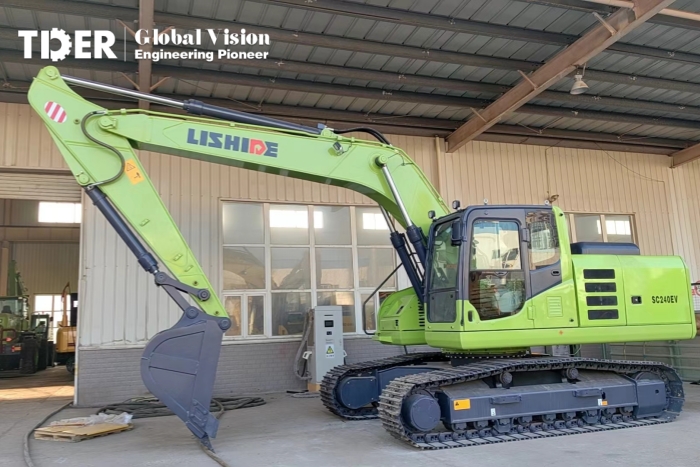
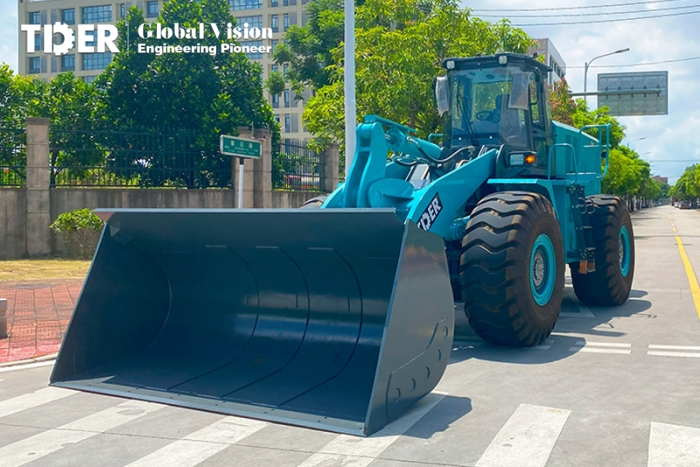
As the construction industry moves toward smarter and more sustainable equipment, TDER offers practical electric solutions for modern job sites. The ZT970EV Electric Wheel Loader and TCE240EV Tethered Electric Excavator combine electric power with advanced machine configurations to support efficient, precise and reliable operations. Explore TDER's electric machinery solutions and find the right equipment for your next project.
|
Item |
ZT970EV Electric Wheel Loader |
TCE240EV Tethered Electric Excavator |
|---|---|---|
|
Model |
ZT970EV |
TCE240EV |
|
Equipment Type |
Electric Wheel Loader |
Tethered Electric Crawler Excavator |
|
Rated Load |
7,000 kg |
— |
|
Operating Weight |
25,000 kg |
24,000 kg |
|
Bucket Capacity |
4.2–4.5 m³ |
1.2–1.4 m³ |
|
Rated Power |
510 kW |
90–132 kW |
|
Motor Model |
Three-Motor Electric Drive |
YVE3-315M-4 |
|
Motor Speed |
— |
1,480 rpm |
|
Battery Type |
Lithium Battery |
External Tethered Power |
|
Battery Brand |
CATL |
— |
|
Battery Capacity |
350 kWh |
— |
|
Rated Capacity |
608 Ah |
— |
|
Nominal Voltage |
576 V |
— |
|
Battery Life per Charge |
5–7 h |
— |
|
Charging Time |
60 min |
— |
|
Charging System |
Dual-Gun Fast Charging |
— |
|
Travel Speed (High / Low) |
18 / 36 km/h (Forward) |
5.2 / 3.5 km/h |
|
Reverse Speed |
18 / 36 km/h |
— |
|
Swing Speed |
— |
11.1 r/min |
|
Max. Traction Force |
195 kN |
174 kN |
|
Max. Breakout Force |
210 kN |
— |
|
Bucket Digging Force (ISO) |
— |
151 kN |
|
Arm Digging Force (ISO) |
— |
115 kN |
|
Gradeability / Climbing Angle |
28° |
35° |
|
Ground Pressure |
— |
48.6 kPa |
|
Turning Angle |
40° |
— |
|
Hydraulic Pump Model |
— |
AP4VO140 |
|
Maximum Hydraulic Flow |
— |
280 × 2 L/min |
|
Hydraulic Working Pressure |
— |
34.3 MPa |
|
Hydraulic Tank Capacity |
— |
246 L |
|
Hydraulic System |
Double Pump Confluence |
— |
|
Operation Method |
Pilot Control |
— |
|
Total Cycle Time |
9.7 s |
— |
|
Lifting Time |
5.8 s |
— |
|
Dumping Time |
3.5 s |
— |
|
Dumping Height |
3,752 mm |
6,438 mm |
|
Dumping Reach |
1,479 mm |
— |
|
Maximum Excavation Height |
— |
9,310 mm |
|
Maximum Excavation Depth |
— |
6,875 mm |
|
Maximum Excavation Distance |
— |
10,170 mm |
|
Maximum Excavation Distance on Ground |
— |
9,990 mm |
|
Maximum Vertical Wall Excavation Depth |
— |
5,860 mm |
|
Overall Length |
9,782 mm |
9,740 mm |
|
Overall Width |
3,007 mm |
2,980 mm |
|
Overall Height |
3,587 mm |
3,190 mm (Boom Top) / 3,120 mm (Cab Top) |
|
Wheelbase |
3,700 mm |
— |
|
Wheel Tread |
2,300 mm |
— |
|
Tail Turning Radius |
— |
2,810 mm |
|
Minimum Turning Radius |
— |
3,975 mm |
|
Track Grounding Length |
— |
3,640 mm |
|
Track Length |
— |
4,450 mm |
|
Track Gauge |
— |
2,380 mm |
|
Track Shoe Width |
— |
600 mm |
|
Tire Model |
26.5-25 |
— |
|
Counterweight Ground Clearance |
— |
1,065 mm |
|
Minimum Ground Clearance |
— |
442 mm |
|
Arm Length |
— |
3,050 mm |
|
Boom Length |
— |
5,850 mm |
|
Service Brake |
Air-over-Oil, Clamp Disc Type |
— |
|
Parking Brake |
Pneumatic Control, Clamp Disc Type |
— |
|
Air Conditioning |
Electric Heating and Cooling |
— |
|
System Voltage |
DC 24 V |
— |