头部背景图片

Die casting automatic production line is introduced in detail

2024-07-18

Die casting machine is used for pressure casting machine, including hot chamber and cold chamber two kinds. After are divided into straight and horizontal two types. Die casting machine under the action of pressure to the molten metal hydraulic injection mold cooling molding, after opening the mold can get solid metal castings, such as aluminum alloy, zinc alloy, lead alloy die casting.

The closing mechanism of hot chamber die casting machine is the same as that of cold chamber die casting machinethe difference lies in the different injection and pouring mechanism. The chamber of the hot chamber die casting machine is closely connected with the furnace as a whole, while the chamber of the cold chamber die casting machine is separated from the furnace.

Die casting machine peripheral automation equipment including: conveyor belt, safety fence, platform, pressure machine, mold temperature machine, marking machine, trimming machine, cooling device, quick change die device, exhaust filter dust removal device, auto extractor system, servo sprayer,servo ladle machine, quantitative thermal machine, melting and holding furnace, rely on the equipment to realize the automatic die casting production line.

Longhua AI die casting machine

What are the advantages of 7500T hydraulic Aluminum extrusion machine?

2024-07-16

Aluminum extrusion machine

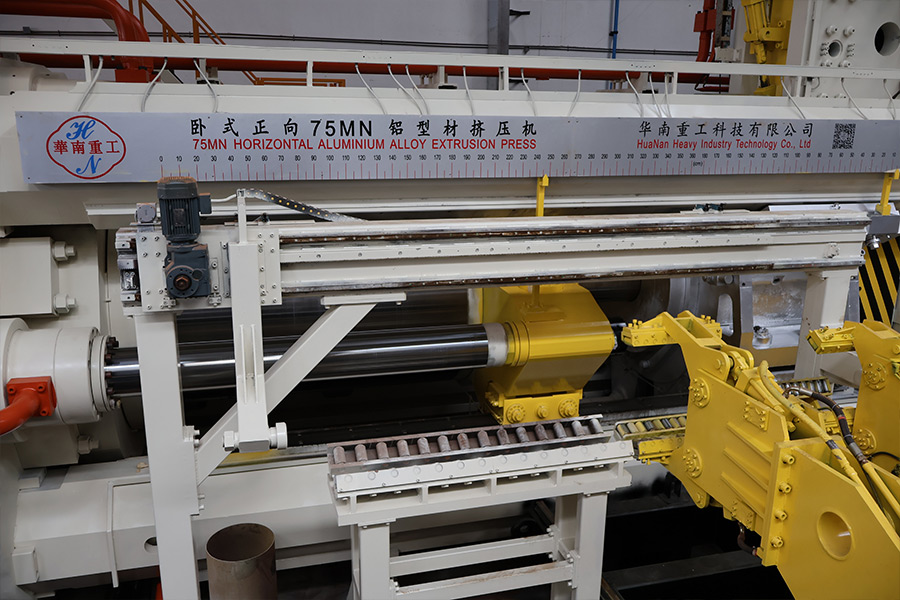
The 75MN horizontal short-stroke front-loading single-action aluminum alloy profile extrusion machine adopts a horizontal three-beam and four-column prestressed composite frame structure, a forward extrusion method, direct drive by an oil pump, and is equipped with advanced foreign electromechanical and hydraulic control components and systems, and The complete set of mechanized auxiliary equipment adopts PLC and computer two-level control to accurately control the speed, position and pressure of the press. The technology used embodies the development trend and advanced technology level of contemporary extrusion presses, and is suitable for production. Manufacturing, operation and maintenance are conducive to improving production efficiency and reducing usage costs.

Prestressed composite frame

The stress-bearing frame of the Aluminum extrusion machine body consists of an integral front beam ZG35Mn (thickness 1950mm) and a rear beam thickness 1800mm (materialZG35Mn), square prestressed sleeve (material ZG35) is a closed prestressed composite frame. Special hydraulic preloading tools are used to pull the An over-pressure tensile load is applied to the entire length of the rod, and compressive stress is applied to the pressure sleeve at the same time, so that the entire frame is in a stress pre-tightened state.The column prestress is above 115% of the maximum load.

(1) The center distance of the four stressed tie rods of the frame is symmetrical to the center of the press, so that the entire frame is stressed evenly. This can increase the squeeze

Accuracy of pressed products.

(2) Since the frame has a large bending resistance section, under the action of extrusion force, the frame elongation and bending deformation are small, so it is the frame can be fixed with horizontal and vertical guide rails at the bottom of the extrusion beam and extrusion barrel.

The centering adjustment is very convenient, and the upper frame can be used as an X-shaped moving guide rail for the extrusion barrel.

(3) There are two sets of elastic anchoring devices and foundation anchors at the lower part of the rear beam to make the rear beam fixed reliably.

Main working cylinder/side cylinder

1. The main working cylinder of aluminum extrusion press is a plunger cylinder, which is fixed to the center of the rear beam through four pressing blocks. The plunger diameter is Φ1740mm, and the medium pressure is 28Mpa. Under the action, it can produce 66.55MN extrusion force. The cylinder body is made of 20MnMo forged steel. After forging and tempering treatment in three sections, it is buried Arc narrow gap welding, processed according to GB\T6402\2008 II level flaw detection. The main plunger is made of forged steel. The outer surface Stainless steel cladding is welded to 2Cr13 with medium frequency treatment, surface hardness is HRC46~48, and polishing degree is 0.2um. V-ring used for master cylinder seal Combined seal, using copper sleeve inner guide

2. The two main side cylinders are horizontally fixed on both sides of the rear beam main working cylinder. The diameter of the side cylinder is Φ450/Φ320mm, which generates an extrusion force of 8.9MN and a return force of 4.4MN, which can realize the rapid forward, backward and extrusion of the main plunger. The cylinder block and piston rod are made of 45 forged steel quenched and tempered. The two-way seal and piston rod seal of the combined piston head adopt V-ring combined seals, and are guided by copper sleeves.

Hydraulic transmission and control system pump station

The pump station of the Aluminum extrusion press adopts an integrated design and is centrally arranged under the rear part of the oil tank of the press. It is composed of an imported German Rexroth electro-hydraulic proportional control axial piston variable pump and a Chinese-made stainless steel plate circulation filtration and cooling system. The piping system design adopts necessary buffering and anti-shock measures, such as cushioning pads, hoses or shock-absorbing hoses, and flexible rubber pipe joints that can absorb vibration. The main system consists of 10 355L/min plunger pumps and 10 320L/min vane pumps from the German REXROTH company. They are designed to be arranged and matched in a certain combination. They can generate a pressure of 28Mpa and a flow rate of 3350L/min to meet the needs of main and side work. According to the cylinder operating speed requirements, closed-loop adjustment of the extrusion speed of 0~21mm/s is achieved, and the extrusion barrel locking cylinder is matched with a dedicated oil pump. Isolation control valves are designed between each oil pump group. If the two mechanisms need to operate at the same time according to the program, they can not interfere with each other. It can realize functions such as isolation between pumps, no-load starting, pressure regulation and overload protection. The pump head electro-hydraulic proportional valve and electronic control device are imported with the main pump and connected with the press main control computer to achieve online control. The main oil cylinder, auxiliary oil cylinder, spindle cylinder, and scissor oil cylinder are integratedly controlled by logic valves. The sliding mold and supporting frame are integratedly controlled by three-position four-way electro-hydraulic reversing valves. Main hydraulic components: master cylinder reversing surface valve, overflow surface valves etc. The main control system oil pump station has a total flow rate of 3350L/min, and its oil pumps are individually controlled.

The design of each aluminum extrusion machine is to maximize the use of resources under the premise of ensuring quality, and has been in a leading position in the industry.


What is the difference between webbing sling and round sling?

2024-07-12

When it comes to lifting heavy loads and ensuring workplace safety, it's essential to choose the right lifting equipment. Two popular options for material handling in various industries are webbing slings and round slings. While both serve the same purpose, they have distinct characteristics that make them suitable for different applications. In this blog post, we will explore the differences between webbing slings and round slings, highlighting their unique features and common uses.

Round Slings:

Round slings, as the name suggests, are circular in shape and typically made of synthetic fibers like polyester. They feature a continuous loop construction and have no fixed endpoints, providing flexibility in load attachment points. Round slings are known for their excellent strength-to-weight ratio and versatility in handling a wide range of loads.

Key Features of Round Slings:

  Soft and non-damaging: The soft texture of round slings minimizes the risk of scratches or dents on delicate surfaces.

  High strength: Round slings are designed to withstand heavy loads and offer a high lifting capacity.

  Adaptability: The endless loop construction allows for easy adjustment of the sling length to suit different load sizes and shapes.

  Load distribution: Round slings evenly distribute the load weight, reducing the risk of damage to the load.

  Safety features: Round slings are often color-coded based on their load capacity, ensuring proper selection for each lifting task.

Common Applications of Round Slings:

   Rigging and lifting heavy machinery in industrial settings.

   Lifting and transporting construction materials.

   Offshore and maritime operations.

   Tree removal and arboriculture.

round sling

Webbing Slings:

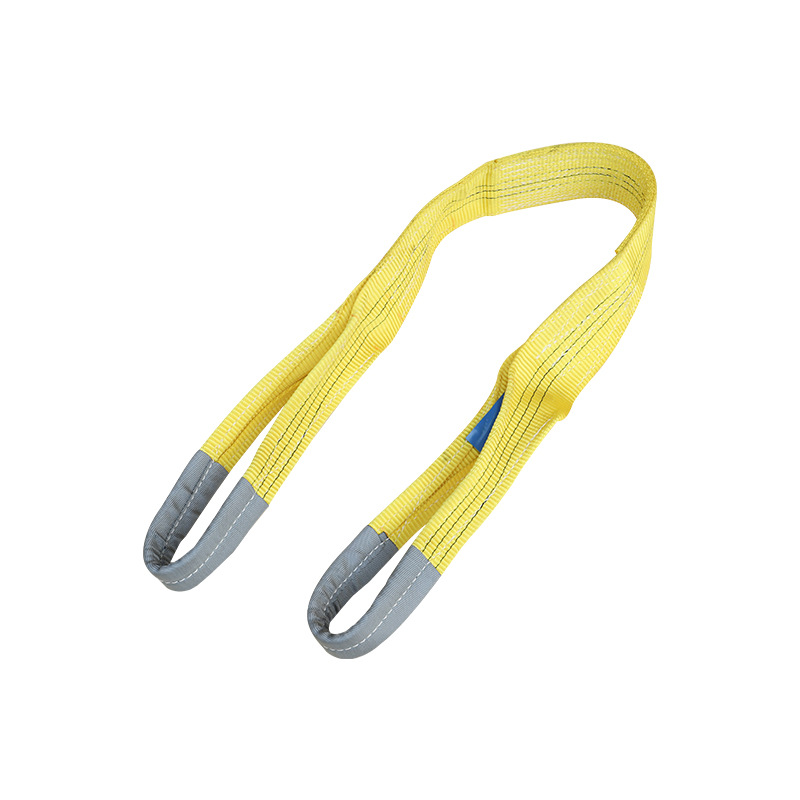
Webbing slings are made of woven polyester or nylon fibers, creating a durable and flexible lifting strap. They have a flat, ribbon-like appearance and come in various widths and load capacities. The most common types of webbing slings include flat eye, twisted eye, and endless loop configurations.

Key Features of Webbing Slings:

   Lighter weight: Compared to round slings, webbing slings tend to be lighter, making them easier to handle and transport.

   Protection against abrasion: The smooth surface of webbing slings helps minimize damage to delicate or fragile loads.

  -Cost-effective: Webbing slings are generally more affordable than round slings, making them a popular choice for light to medium-duty lifting tasks.

   Enhanced visibility: Webbing slings are often available in bright colors, enhancing visibility during lifting operations.

   Excellent flexibility: Webbing slings offer high flexibility, making them ideal for lifting irregularly shaped loads.

Common Applications of Webbing Slings:

    Lifting machinery and equipment in manufacturing and construction industries.

    Moving goods in warehouses and logistics operations.

    Hoisting materials during maintenance and repair processes. 

Webbing sling

In summary, both webbing slings and round slings serve as crucial lifting tools in a wide range of industries. While webbing slings are preferred for their flexibility, lightweight design, and cost-effectiveness, round slings excel in load distribution, strength, and adaptability. Understanding the differences between these two types of slings is essential to make an informed choice based on specific lifting requirements. Always prioritize safety and compliance with industry standards when selecting and using lifting equipment.


Boost Efficiency with Large Powder Granule Tea Packaging Machine

In the tea industry, efficient packaging machines are crucial for enhancing productivity.

Today, we introduce a large powder granule tea packaging machine that accurately weighs 10-999 grams of tea and automates the filling process. This machine utilizes a rotary weighing filling technology, ensuring precise and reliable measurements for various tea granules.

This packaging machine boasts high automation and user-friendly operation. Simply set the desired weight range, and the machine will automatically handle the weighing and filling tasks. Moreover, it offers rapid packaging speeds, significantly improving production efficiency.

large powder granule tea packaging machine

In addition to its efficiency and accurate weighing capabilities, this machine features a compact design, occupying minimal floor space and suitable for various production environments. Constructed from high-quality materials, it guarantees durability and long-term usage, reducing maintenance costs.

Overall, this large powder granule tea packaging machine is an ideal choice for tea production companies. It not only enhances production efficiency but also ensures product quality and consistency. If you are seeking a high-performance tea packaging machine, consider this equipment as it will bring greater value and benefits to your production line.

By incorporating this advanced packaging machine, your tea production process will become more efficient and convenient, opening up new business opportunities and success for your company. Take action now to elevate your production standards and embrace a broader market!


Continuous Wave And Pulse EPR Spectroscopy

2024-06-28

EPR (Electron Paramagnetic Resonance) Spectroscopy, also known as Electron Spin Resonance (ESR) Spectroscopy, is a technique used to study the electronic structure of paramagnetic species.

There are two main types of EPR spectroscopy: Continuous Wave (CW) EPR spectroscopy and Pulsed EPR spectroscopy.


Continuous wave (CW) EPR Spectroscopy:

In continuous wave EPR spectroscopy, a microwave source continuously emits microwave radiation at a fixed frequency into the sample.

A magnetic field is swept over a range of frequencies and the absorption of the microwave radiation by the sample is measured as a function of the magnetic field strength. This produces an EPR spectrum showing the jumps between energy levels of paramagnetic species.

CW EPR spectroscopy is commonly used to study relatively slow dynamic processes and to examine stable paramagnetic species.


Pulsed EPR Spectroscopy:

Pulsed EPR spectroscopy, also known as pulsed electron-electron double resonance (ELDOR) or electron-electron resonance, utilizes short pulses of electromagnetic radiation. This technique is used to study the dynamics of paramagnetic species and their interactions with their surroundings.

Pulsed EPR spectroscopy provides more detailed information and allows the measurement of relaxation times, distances, and other dynamic parameters. It involves applying microwave pulses, often combined with radio frequency (RF) pulses, to manipulate the electron spin state and measure the resulting signal.

Pulsed EPR techniques include Electron Spin Echo (ESE), Electron Nuclear Dual Resonance (ENDOR), Electron Spin Echo Envelope Modulation (ESEEM), and others.

Pulsed EPR spectroscopy is particularly well suited for the study of transient species, radical reactions, and spin-spin interactions in paramagnetic systems.


Both CW EPR and pulsed EPR spectroscopy have their advantages and applications, depending on the specific research objectives and the properties of the paramagnetic species under study.


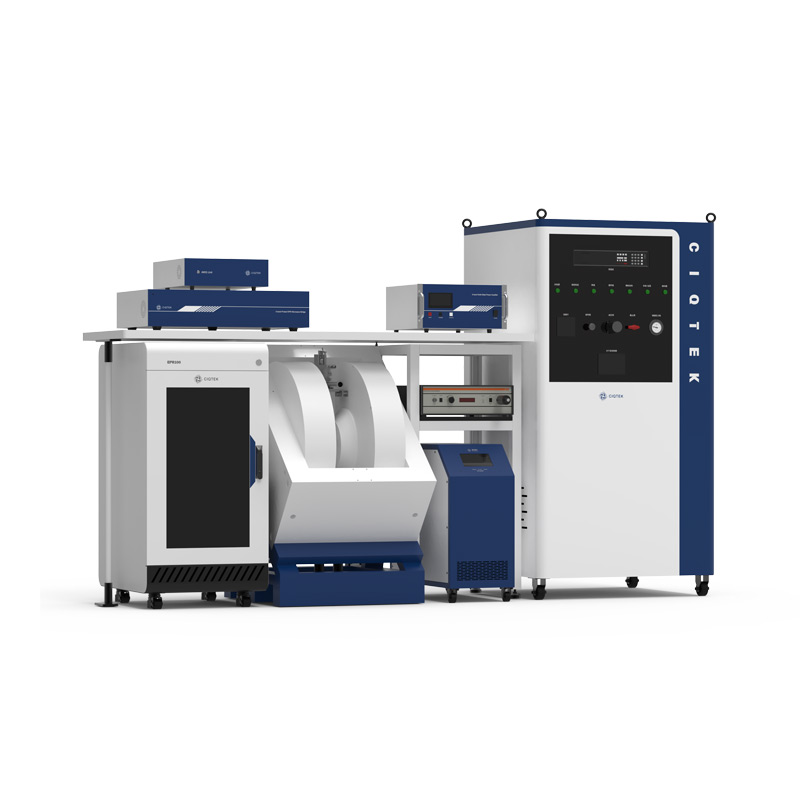
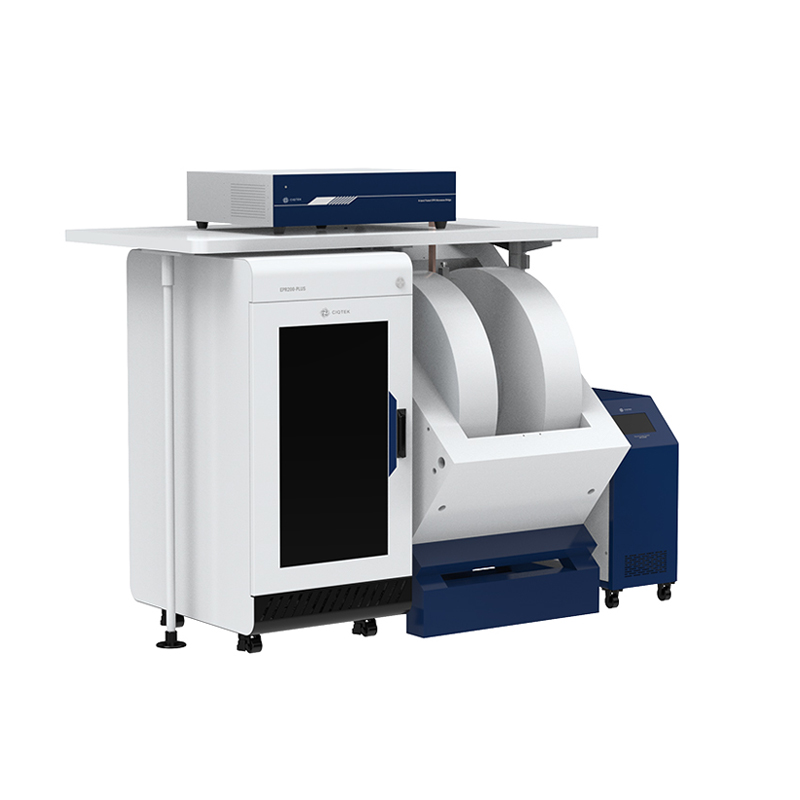
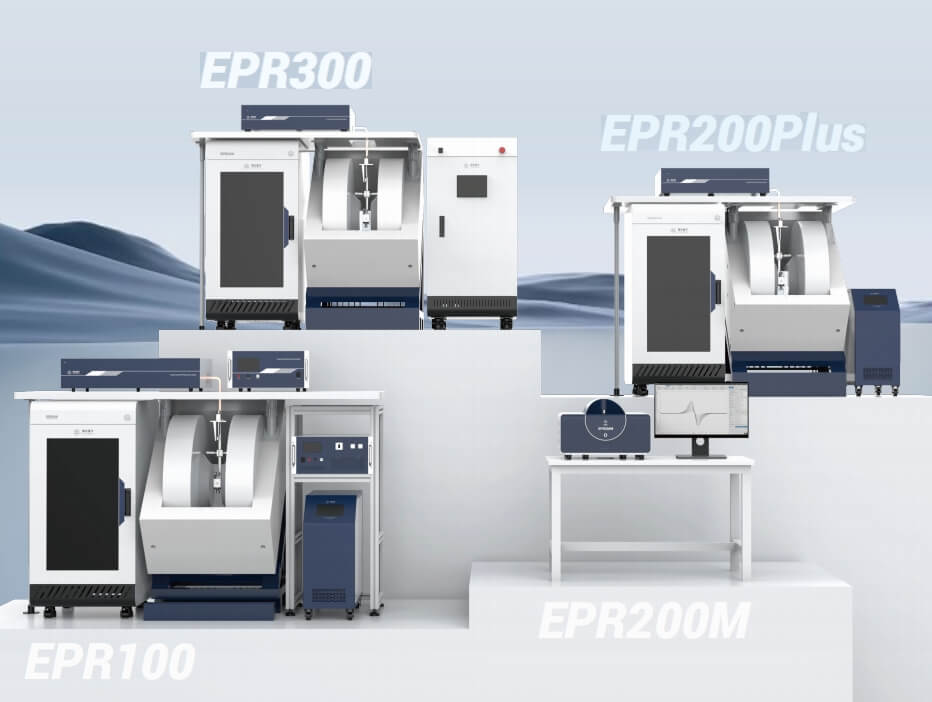
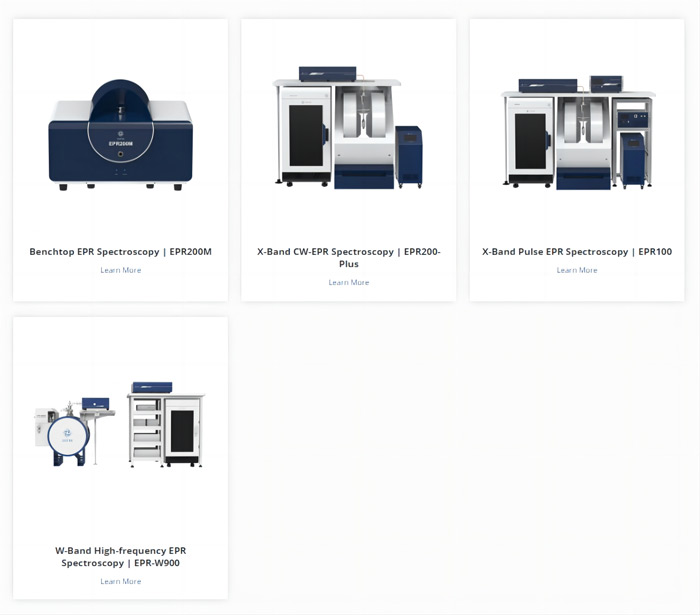
CIQTEK offers X-Band Pulse EPR Spectroscopy | EPR100 and X-Band CW-EPR Spectroscopy | EPR200-Plus

X-Band Pulse EPR SpectroscopyX-Band CW-EPR Spectroscopy

What Is The Principle Of SEM?

Scanning Electron Microscopy (SEM) is based on the principle of using a focused beam of high-energy electrons to probe the surface of a sample and produce a high-resolution detailed image.


Electron Source: SEM works by using an electron source, typically a heated tungsten filament or a field emission gun, to produce a beam of electrons.


Electron Beam Generation: The electron source emits electrons, which are accelerated to high energies by an electric field. The electrons are focused into a narrow beam using electromagnetic lenses.


Sample Interaction: The primary electron beam is directed onto the sample's surface. When the beam interacts with the sample, several types of interactions occur, including scattering, absorption, and emission of secondary electrons.


Scattering: The primary electrons may undergo elastic or inelastic scattering while interacting with the atoms in the sample. Elastic scattering results in a change in direction of the electron beam, while inelastic scattering leads to energy loss due to interactions with the sample's atoms.


Secondary Electron Emission: Some of the primary electrons knock off secondary electrons from the surface of the sample through inelastic scattering. These secondary electrons carry information about the sample's topography and composition.


Signal Detection: The emitted secondary electrons, along with other signals such as backscattered electrons and characteristic X-ray emissions, are detected using various detectors. Some common detectors in SEM are the Everhart-Thornley detector for secondary electrons and detectors for backscattered electrons or X-rays generated by the sample.


Image Formation: The detected signals are then amplified and processed to form an image. The signal intensity is typically converted into a grayscale or false-color representation, allowing the visualization of surface features and details.


Scanning: To generate a complete image, the electron beam is systematically scanned across the surface of the sample in a raster pattern. The intensity of the detected signals at each point is recorded, allowing the construction of a high-resolution image.


Image Display and Analysis: The final reconstructed image is displayed on a monitor or recorded for further analysis. SEM images can be used to examine the microstructure, morphology, elemental composition, and surface characteristics of a wide range of materials.


In short, scanning electron microscopy utilizes the interaction of a focused, high-energy electron beam with a sample to generate detailed images. By analyzing the signals emitted by the sample, SEM provides valuable information about the surface topography, morphology, and composition of the sample at high resolution. It is widely used in a variety of scientific and industrial applications for research, quality control, and materials characterization.


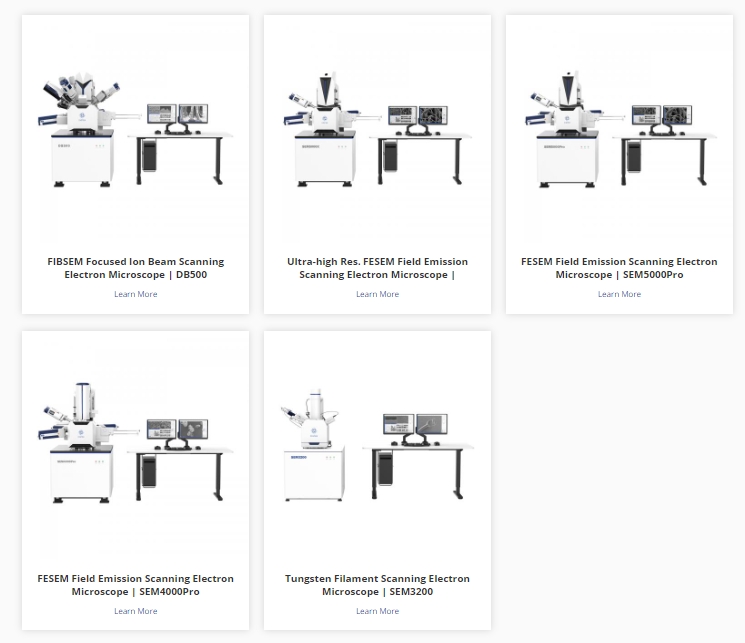
CIQTEK offers various high-quality SEM equipment for researchers and industrial users.


Scanning Electron Microscope Detectors

The Scanning Electron Microscope (SEM) is a powerful tool for various applications in material sciences, life sciences, and other fields. Different kinds of detectors have been developed to obtain more information and improve the performance of SEM. The following are a few common types of SEM detectors:


Backscattered Electron Detector (BSE): BSE detectors are used to detect electrons scattered by the nuclei of atoms and high atomic number elements within a substance.BSE detectors provide high-contrast images that can be used for compositional analysis of materials and characterization of microstructures.


Secondary Electron Detector (SE): The SE detector is used to detect secondary electrons on the surface of a material excited by a scanning electron beam. Since the surface morphology and material composition influence the secondary electrons, the SE detector provides a high-resolution image of the surface topography.


Transmission Electron Detector (TED): TED detectors are used to detect transmission electrons that pass through a thin sheet of material and are focused on the detector. TED detectors are suitable for high-resolution compositional and structural analyses of materials, e.g., atomic-level characterization of nanoparticles.


Energy Dispersive X-ray Spectroscopy (EDS): EDS detectors are used to analyze the elemental composition of materials. When a scanning electron beam interacts with a sample, characteristic X-rays are produced, and the EDS detector collects and measures the energy spectrum of these X-rays to determine the chemical composition and elemental distribution of the material.


Retarding Field Detector (RFD): The RFD detector is used to measure the charge carried by electrons generated on the surface of the sample. This type of detector is very useful for studying the electrical conductivity and surface charge properties of materials.


These are just some of the common SEM detectors; in fact, there are many other types of detectors, each with different advantages and applications. The selection of the appropriate detector depends on the objectives of the study and the information to be obtained.


CIQTEK's self-developed SEM offers a wide range of detectors to choose from, such as BSED, STEM, EDS, EDX, EBSD, In-lens, ETD, etc. 


Why ESR Is Also Known As EPR?

ESR (Electron Spin Resonance) and EPR (Electron Paramagnetic Resonance) are used interchangeably to describe the same spectroscopic technique. The reason for the two different names can be traced to the historical development of the field and some of the interesting stories surrounding it.


Originally, the technique was called ESR, or electron spin resonance. It was discovered in the mid-20th century by physicists studying the behavior of electrons in magnetic fields. They observed that certain materials absorbed energy at specific frequencies when exposed to strong magnetic fields and subjected to electromagnetic radiation. This absorption is due to the electron spin states flipping in the magnetic field, resulting in resonance.


As the field grew, researchers began to study the spectra of paramagnetic species - atoms, molecules, or ions with unpaired electrons. They realized that ESR techniques could be used to study a wider range of systems than just electrons. As a result, the term EPR (Electron Paramagnetic Resonance) was coined to encompass a broader range of applications.


The transition from ESR to EPR did not happen overnight or with universal adoption. Different research groups and scientific communities preferred to use either term. For example, the term ESR was widely used in the United States, while EPR became popular in Europe. This difference in naming conventions continued for some time until the two terms gradually became synonymous. Today, the two terms are widely accepted and used interchangeably to describe the same spectroscopic techniques.


The dual naming of ESR and EPR provides insight into the historical development of the field and how scientific terminology has evolved and adapted over time. It also serves as a reminder that in science, different cultures and communities may adopt different names for the same concept, and these differences may persist until a consensus is reached.


EPR spectroscopy has applications in a variety of fields including chemistry, physics, biochemistry, materials science, and medicine. It has been used to study the structure of metalloproteins, the mechanism of enzyme reactions, the properties of organic radicals, the behavior of transition metal complexes, and defects in semiconductors, as well as many other fascinating areas of research. Its ability to probe electron spin makes it an invaluable tool for understanding the fundamental properties of paramagnetic systems and exploring their role in a variety of physical and chemical processes.

>> Check more about CIQTEK EPR spectroscopy.

CIQTEK EPR spectroscopy

How To Find ESR Spectroscopy At Best Price

To find the best price on an Electron Spin Resonance (ESR) spectroscopy, you can follow the steps below:


1. Explore search platforms

The most direct way is to search for “Electron Spin Resonance (ESR) spectroscopy best price” on major search engines like Google. Use words like cheap, sale, affordable, etc. to describe your needs, and it will be straightforward to find the right EPR spectroscopy at a recognized price, such as the one shown below:

best price Electron Spin Resonance spectroscopy


2. Explore online B2B marketplaces

Check out online marketplaces that promote scientific instruments. These platforms allow users to find and compare prices for various scientific techniques, including ESR spectroscopy. Examples include GlobalSpec, DirectIndustry, etc. For example:

best price Electron Spin Resonance spectroscopy

best price ESR spectroscopy


3. Request multiple quotes

When contacting agencies, EPR manufacturers, or vendors, request quotes from multiple sources. Provide them with specific details about the project, including sample type, sample size, data analysis needed, and any special requirements. Comparing multiple quotes will help you find the best price. Many EPR suppliers offer free, comprehensive, customized quotes, such as CIQTEK EPR.

best price EPR spectroscopy


4. Consider geographic location

The price of EPR Spectroscopy may vary by region or country. Sometimes, purchasing EPR Spectroscopy from a country with lower labor or equipment costs can result in significant cost savings. For example, CIQTEK's self-developed EPR Spectroscopy has the world's leading EPR technology to maintain high-quality service globally for any customized service and has a very competitive price.

best price EPR spectrometer


5. Research Local Academic Institutions

Contact nearby universities, colleges, and research institutions to inquire about their ESR spectroscopy services. Academic institutions often offer advanced scientific equipment at reasonable prices, especially for researchers and students.


6. Collaborate with researchers

Consider collaborating with researchers who have access to ESR spectroscopy equipment. Many researchers are open to collaboration or offer their services at a discounted rate, especially if your project aligns with their interests. Attend scientific conferences, workshops, or networking events to connect with the relevant research community.


Keep in mind that while cost is an important factor, ensuring that the service provider delivers reliable, accurate results is also critical. Evaluate their technical expertise, reputation, and experience before deciding.

How To Choose An ESR Spectroscopy For Your Research?

There are many factors to consider when selecting an Electron Paramagnetic Resonance (EPR) spectroscopy for your research.

Some of the key points are listed below:


Frequency Range: Determine the frequency range needed for your study. EPR spectroscopy is available in different frequency ranges, such as X-band, Q-band, and W-band. The choice depends on the type of sample you are studying and the level of spectral resolution required.


Magnetic Field Strength: Consider the magnetic field strength required for your experiment. EPR spectroscopy operates at different magnetic field strengths, such as 0.35 T, 1.2 T, or higher. Higher field strengths provide better spectral resolution but may require specialized equipment and cost more.


Sample Size and Compatibility: Evaluate sample size and compatibility requirements. Some EPR spectroscopy is designed for small sample sizes, while others can accommodate larger samples or even solid-state systems. Make sure the spectroscopy you choose will meet your specific sample requirements.


Instrument Sensitivity and Signal-to-Noise Ratio: Evaluate the sensitivity and signal-to-noise ratio (SNR) of your EPR spectroscopy. Higher sensitivity and SNR will detect weaker signals and improve the overall quality of the measurement. Consider the application requirements and the sensitivity needed for the sample.


Modulation capability: Checks the modulation capability of the EPR spectroscopy. Modulation techniques such as continuous wave (CW), pulse, echo, or Fourier transform (FT) are critical in different experimental setups. Ensure that the spectroscopy supports the modulation techniques required for your study.


Additional features and accessories: Consider any additional features or accessories that may be required for the experimental setup. This may include a temperature control system, variable angle goniometer, cryostat, or specialized resonator. Evaluate whether the spectroscopy has the required flexibility and compatibility with these accessories.


Cost and Availability: Finally, consider the cost and availability of the EPR spectroscopy. The cost and availability of the various models offered by different manufacturers vary. Ensure that the EPR spectroscopy you choose fits your budget and that the manufacturer offers reliable support and service.


CIQTEK offers different specialized custom EPR spectroscopy solutions for different customer needs.

From benchtop EPR to floor-stand EPR spectroscopy, X-band to W-band EPR spectroscopy, pulsed and continuous wave EPR spectroscopy, at affordable prices and world-leading quality.

CIQTEK EPR spectroscopy should be the first choice for EPR users.

Tags