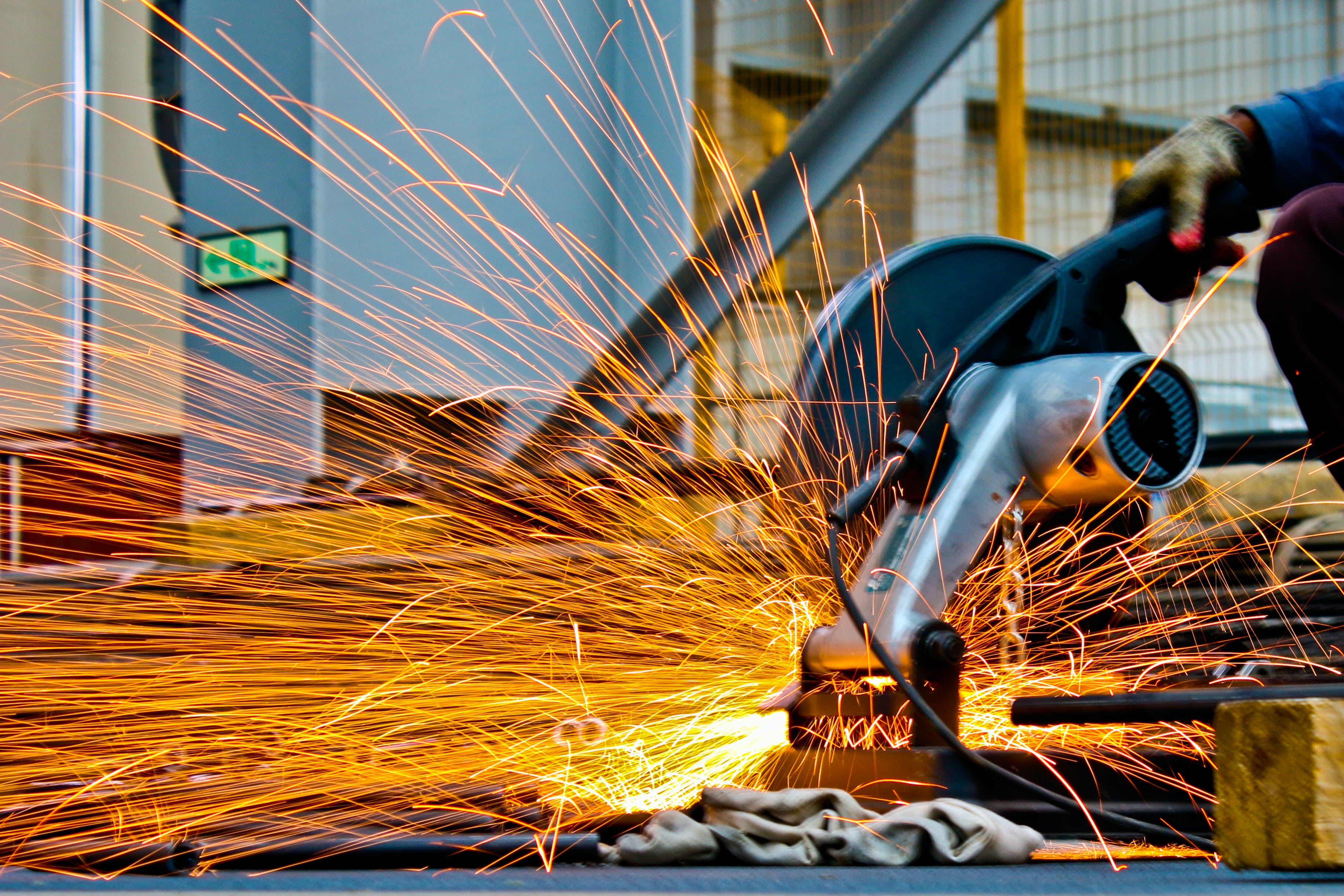
Safety is one of the most critical considerations in modern plate rolling operations. A W12 4-roll plate rolling machine generates extremely high forming forces and handles heavy metal plates, making operator protection and machine stability essential.
Modern W12 machines are therefore equipped with a wide range of mechanical, hydraulic, electrical, and CNC-integrated safety systems designed to reduce operational risks, protect equipment, and ensure compliance with industrial safety standards.
This article explains the most common safety features found on W12 plate rolling machines and their engineering functions in industrial production environments.
Why Safety Is Critical in Plate Rolling Operations
Plate rolling involves several potential hazards:
· High-pressure hydraulic systems
· Rotating rolls with strong pinch forces
· Heavy plate handling
· Sudden material movement
· Stored elastic deformation energy
Without proper protection systems, these risks may lead to:
· Operator injury
· Equipment overload
· Plate ejection accidents
· Hydraulic failures
· Production downtime
Modern W12 rolling machines are designed to minimize these risks through integrated safety engineering.
1. Emergency Stop (E-Stop) System
The emergency stop system is the most fundamental safety feature.
Function
When activated, the system immediately:
· Stops roll rotation
· Cuts hydraulic movement
· Interrupts electrical output
· Brings the machine into a safe state
Emergency stop buttons are typically installed at:
· Operator control panels
· Machine front and rear positions
· Remote control stations
Engineering Importance
The E-stop system minimizes injury risk during:
· Unexpected plate movement
· Operator entrapment
· Hydraulic malfunction
· Electrical faults
International safety standards generally require emergency stop circuits to use:
· Fail-safe design
· Redundant wiring
· Safety relays or safety PLCs
2. Overload Protection System
W12 plate rolling machines operate under extremely high rolling forces.
To prevent structural damage, machines include overload protection systems.
Hydraulic Overload Protection
The hydraulic system monitors:
· Cylinder pressure
· Hydraulic load levels
· Torque demand
If the force exceeds the machine limit:
· Hydraulic relief valves activate
· Pressure is released automatically
· Machine movement is restricted
This protects:
· Roll shafts
· Bearings
· Hydraulic cylinders
· Machine frame structure
3. Safety Interlock System
Safety interlocks prevent dangerous machine operations under unsafe conditions.
Typical interlock conditions include:
|
Unsafe Condition |
Interlock Action |
|
Guard open |
Machine disabled |
|
Hydraulic fault |
Motion blocked |
|
Electrical fault |
Emergency shutdown |
|
Roll synchronization error |
Operation stopped |
Purpose of Interlocks
Interlocks ensure that:
· Operators cannot access hazardous areas during operation
· Machine functions occur only in safe operating states
· Fault conditions do not escalate into accidents
4. Pinch Point Protection
One of the biggest hazards in plate rolling is the pinch zone between rolls.
Modern W12 machines reduce pinch risks using:
· Safety barriers
· Protective covers
· Distance guarding
· Controlled feed positioning
CNC-Controlled Speed Reduction
Some advanced systems automatically reduce rolling speed during:
· Plate feeding
· Edge alignment
· Initial pre-bending
This improves operator reaction time and reduces injury risk.
5. Hydraulic System Safety Features
The hydraulic system is a major source of stored energy and must be carefully protected.
Common Hydraulic Safety Components
Pressure Relief Valves
Prevent excessive hydraulic pressure buildup.
Hose Burst Protection
Stops uncontrolled movement if a hydraulic hose fails.
Hydraulic Locking Circuits
Maintain roll position during pressure fluctuations or power loss.
Oil Temperature Monitoring
Protects hydraulic components from overheating.
6. Electrical Safety Protection
Modern W12 machines use industrial-grade electrical protection systems.
Typical Features Include
· Circuit breakers
· Overcurrent protection
· Ground fault protection
· Motor overload protection
· Short-circuit protection
Safety PLC Integration
Advanced machines use Safety PLC systems to monitor:
· Emergency circuits
· Interlocks
· Sensor status
· Motion synchronization
Safety PLCs improve system reliability and diagnostic capability.
7. Roll Synchronization Monitoring
Inaccurate roll synchronization may create dangerous plate instability.
Advanced W12 machines monitor:
· Roll position deviation
· Hydraulic cylinder synchronization
· Motion feedback signals
If synchronization exceeds allowable tolerance:
· Machine movement stops automatically
· Alarm systems activate
This protects both operators and workpieces.
8. Plate Drop and Ejection Protection
Heavy plates may shift unexpectedly during rolling.
To reduce this risk, machines may include:
· Plate support arms
· Side support devices
· Anti-drop mechanisms
· Feeding tables
These systems improve stability during:
· Large-diameter rolling
· Thin plate processing
· Conical rolling operations
9. Safety Guards and Physical Barriers
Physical guarding is essential for isolating dangerous moving components.
Typical guarding systems include:
· Side covers
· Rear barriers
· Roll protection shields
· Maintenance access locks
Guard systems are designed to:
· Prevent accidental contact
· Restrict access to moving components
· Improve compliance with CE and ISO safety standards
10. CNC Safety Monitoring Functions
Modern CNC systems provide advanced safety diagnostics.
Common CNC Safety Features
Real-Time Alarm Monitoring
Displays abnormal operating conditions instantly.
Motion Limitation Control
Prevents dangerous roll travel beyond safe limits.
Automatic Fault Detection
Identifies:
· Hydraulic abnormalities
· Encoder failures
· Positioning errors
· Synchronization faults
Operator Permission Levels
Restricts unauthorized parameter modification.
International Safety Standards for Plate Rolling Machines
Professional W12 rolling machines are typically designed according to:
· CE Safety Standards
· ISO 12100 Machine Safety
· IEC Electrical Safety Standards
· Hydraulic Safety Regulations
Compliance improves:
· Workplace safety
· Machine reliability
· International market acceptance
Why Safety Engineering Matters in Modern Manufacturing
Modern fabrication facilities increasingly prioritize:
· Operator protection
· Production continuity
· Reduced downtime
· Regulatory compliance
Advanced safety systems help manufacturers achieve:
· Lower accident rates
· Reduced maintenance costs
· Improved operational stability
Why Choose ZYCO W12 Plate Rolling Machines?
Modern ZYCO W12 4-roll plate rolling machines are designed with integrated industrial safety systems for demanding production environments.
Key safety advantages include:
· Intelligent CNC safety monitoring
· Hydraulic overload protection
· Precision synchronization control
· Emergency shutdown systems
· High-rigidity machine structures
· CE-compliant safety design
These features help ensure safe, stable, and efficient rolling operations.
Conclusion
A modern W12 4-roll plate rolling machine incorporates multiple layers of protection, including:
· Emergency stop systems
· Hydraulic overload protection
· Electrical safety systems
· CNC-integrated monitoring
· Roll synchronization protection
· Physical guarding systems
Together, these technologies significantly reduce operational risks while improving production reliability and machine lifespan.
For manufacturers focused on industrial safety and long-term operational stability, selecting a properly engineered W12 rolling machine is essential.